5 Types of Outdoor Furniture to Avoid This Summer
Summer is the season when outdoor living spaces truly come alive. From backyard barbecues to relaxing afternoons on the patio, your outdoor furniture becomes the center of everyday life. However, while sunshine makes outdoor living enjoyable, it can also be one of the biggest threats to your furniture.
Not all outdoor furniture is built to withstand months of intense UV exposure, heat, and changing weather conditions. Some materials can fade, crack, warp, or become brittle after just a few seasons.
Before investing in new patio furniture, it's important to understand which materials are vulnerable to sun damage—and which ones are designed to last.
Why Sunlight Is So Damaging to Outdoor Furniture
The sun affects outdoor furniture in several ways:
- UV radiation breaks down material structures and causes fading.
- High temperatures accelerate aging and deterioration.
- Repeated heating and cooling cycles cause expansion and contraction, leading to cracks and warping.
- Combined exposure to moisture and sunlight weakens many materials even faster.
The result is furniture that looks older than it should and often becomes less comfortable and less structurally sound.
1. Cheap Plastic Furniture: The First Casualty of Summer
Low-cost plastic furniture is often the worst performer under prolonged sun exposure.
While lightweight and affordable, inexpensive plastics gradually lose their flexibility when exposed to UV rays. Over time, they become chalky, faded, and brittle. Chair legs may crack, armrests can snap, and surfaces often discolor unevenly.
Common signs of sun damage include:
- Fading colors
- Surface chalking
- Cracks and fractures
- Increased brittleness
- Warped tabletops and seats
Although plastic furniture may seem budget-friendly initially, replacing it every few years often makes it more expensive in the long run.
2. Low-Quality Synthetic Wicker Can Quickly Break Down
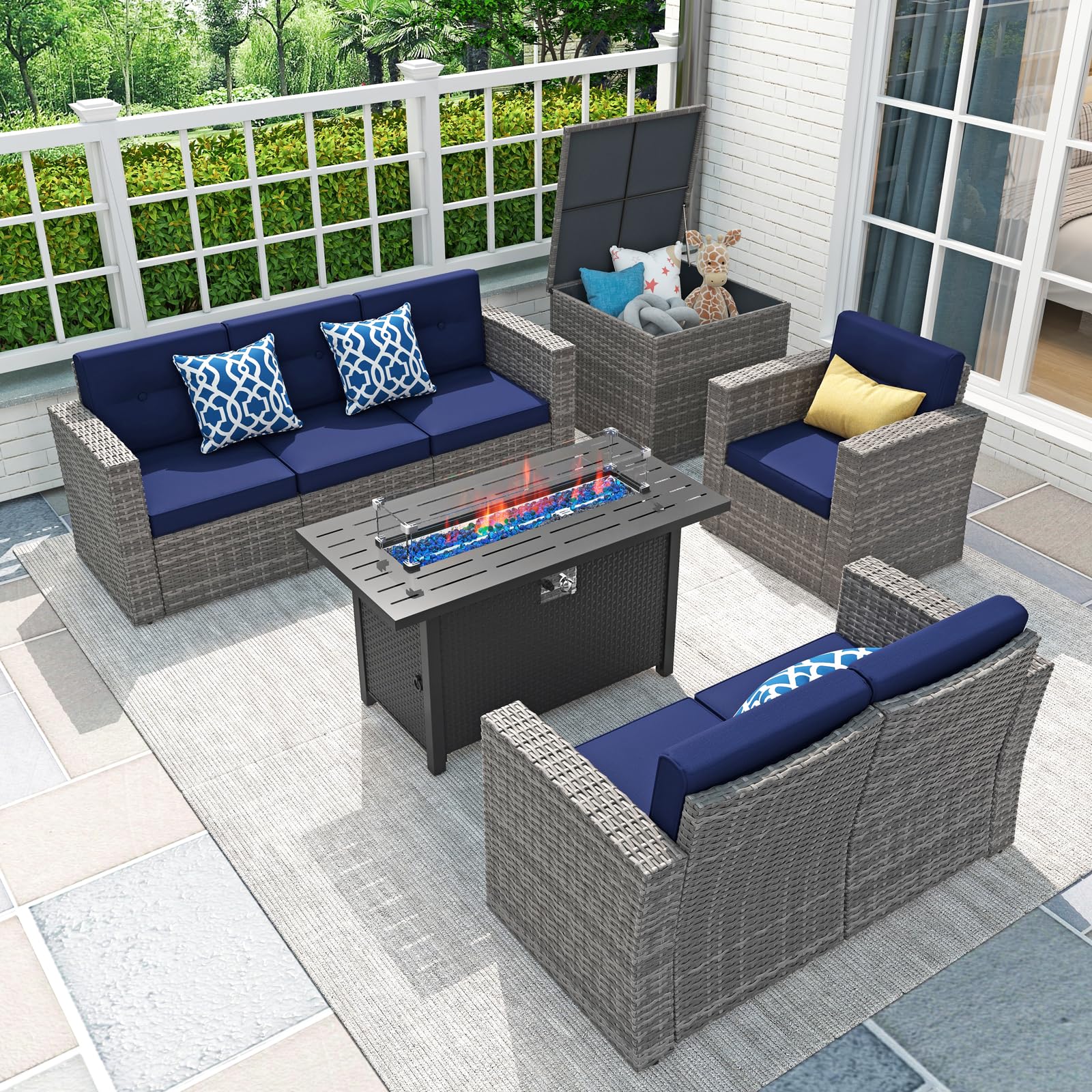
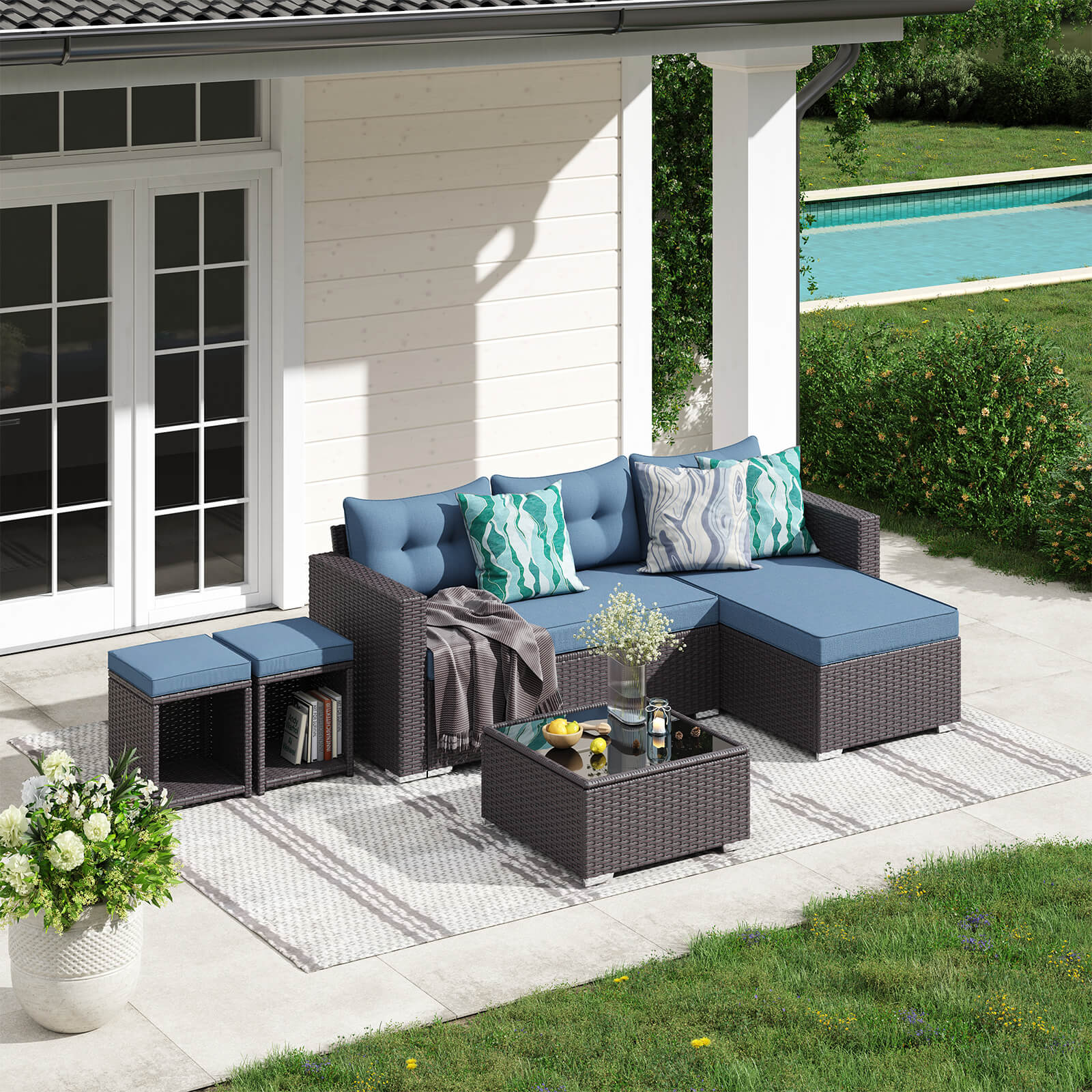
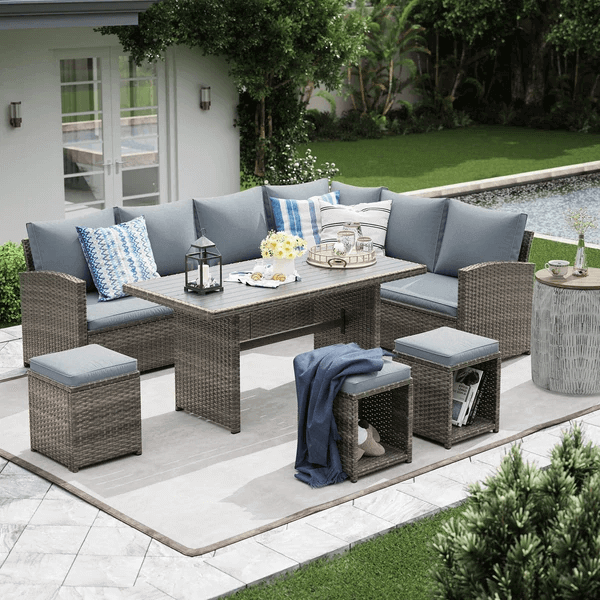
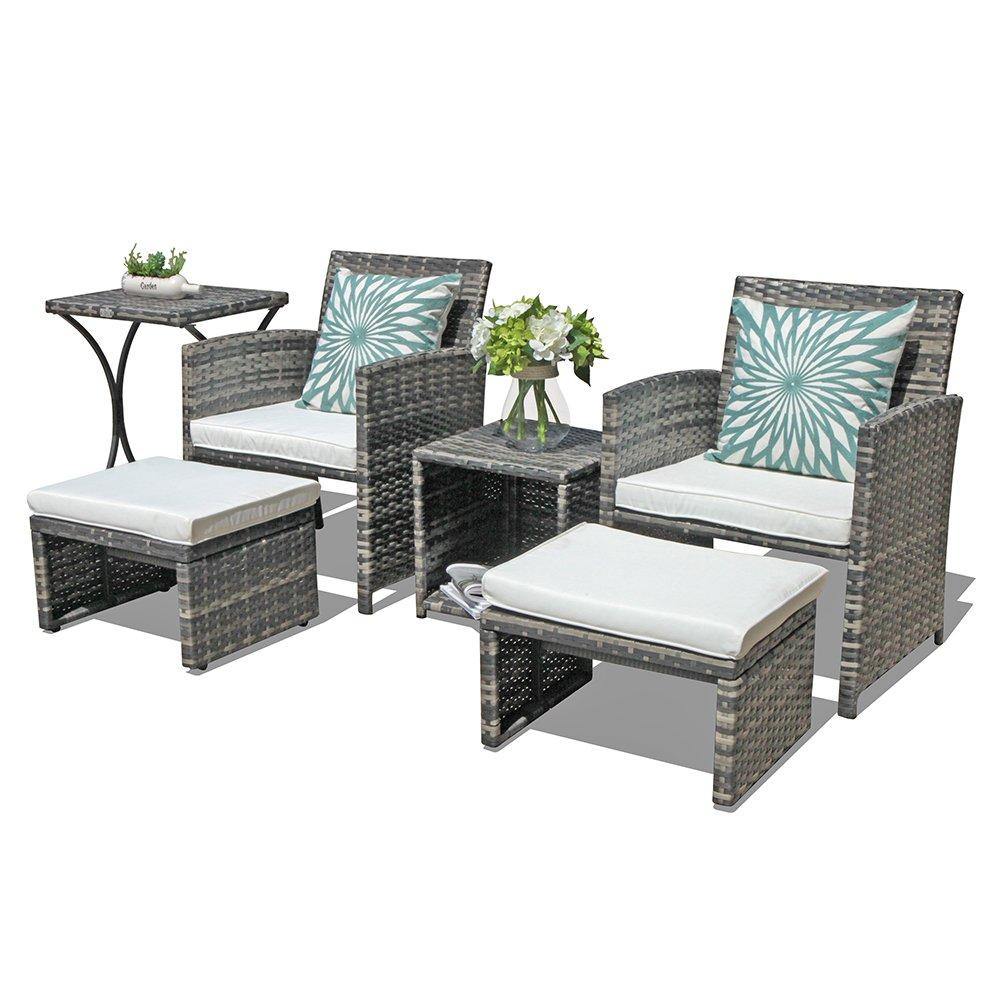
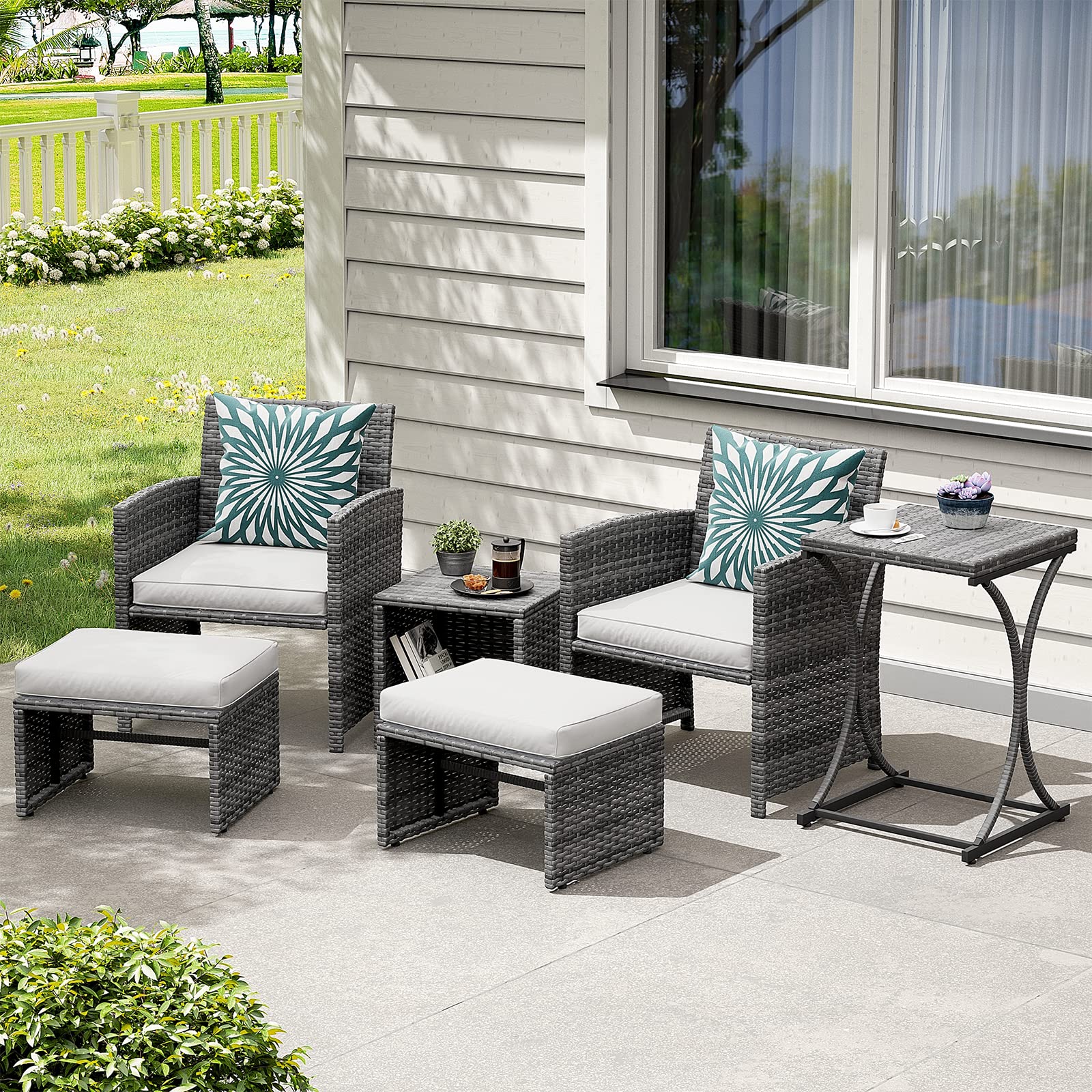
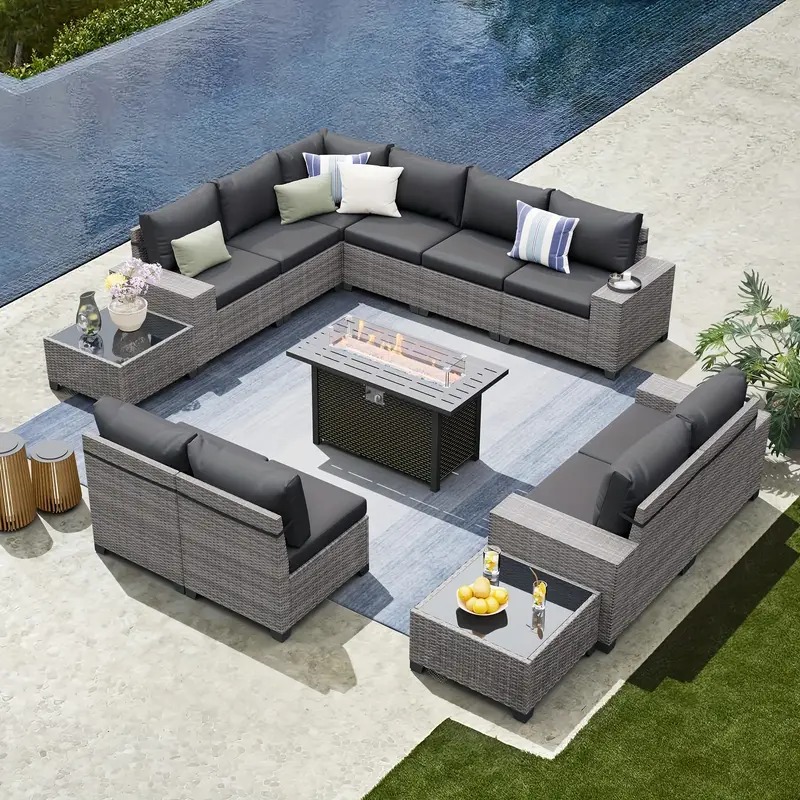
Wicker-style furniture remains popular because of its classic appearance, but not all wicker is created equal.
Cheap synthetic wicker often uses lower-grade polyethylene that lacks sufficient UV stabilizers. After continuous exposure to sunlight, the material can become dry, brittle, and prone to cracking.
You may notice:
- Splitting strands
- Fraying edges
- Fading color
- Broken weave sections
High-quality HDPE wicker performs significantly better, but bargain wicker sets often reveal their weaknesses after just a few summers.
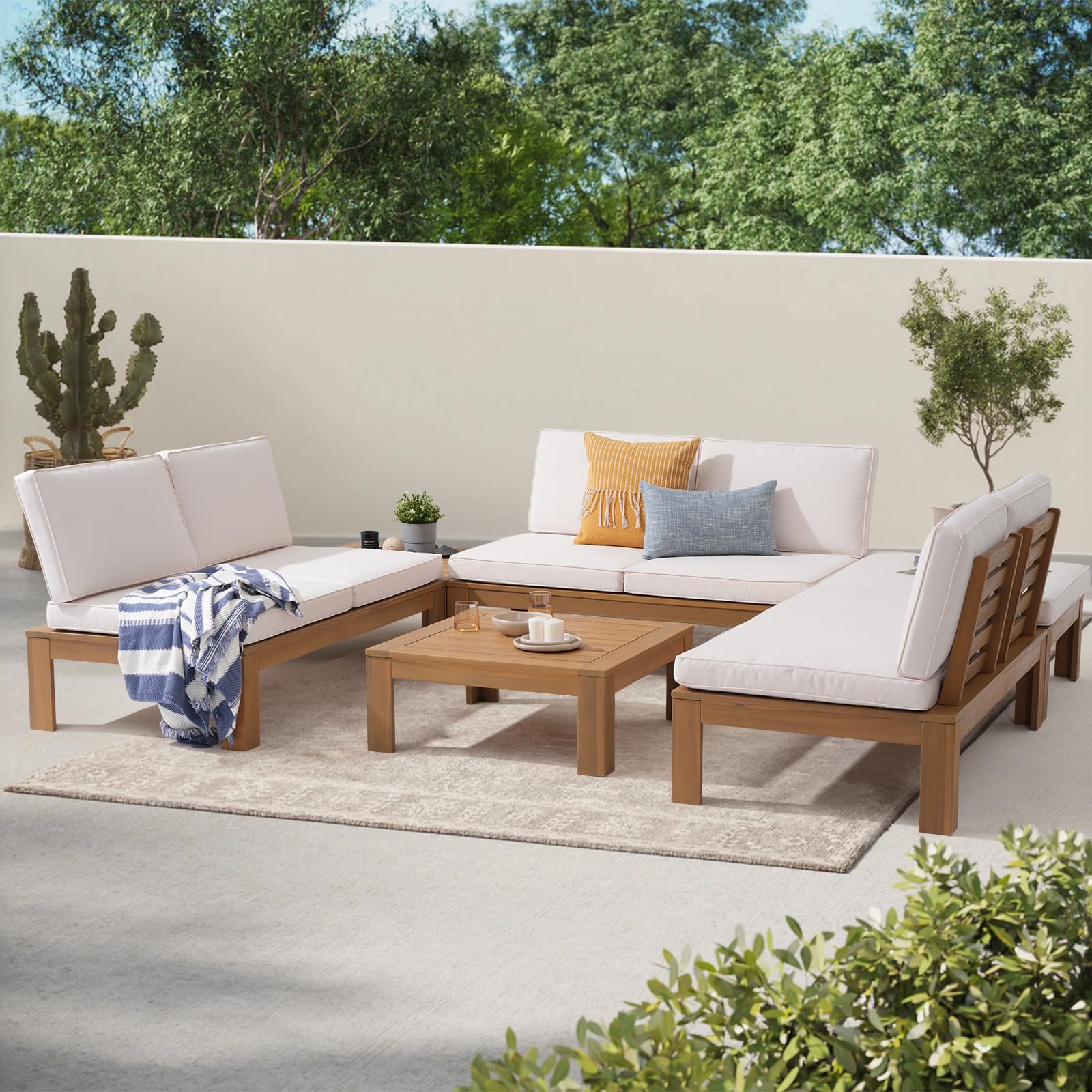
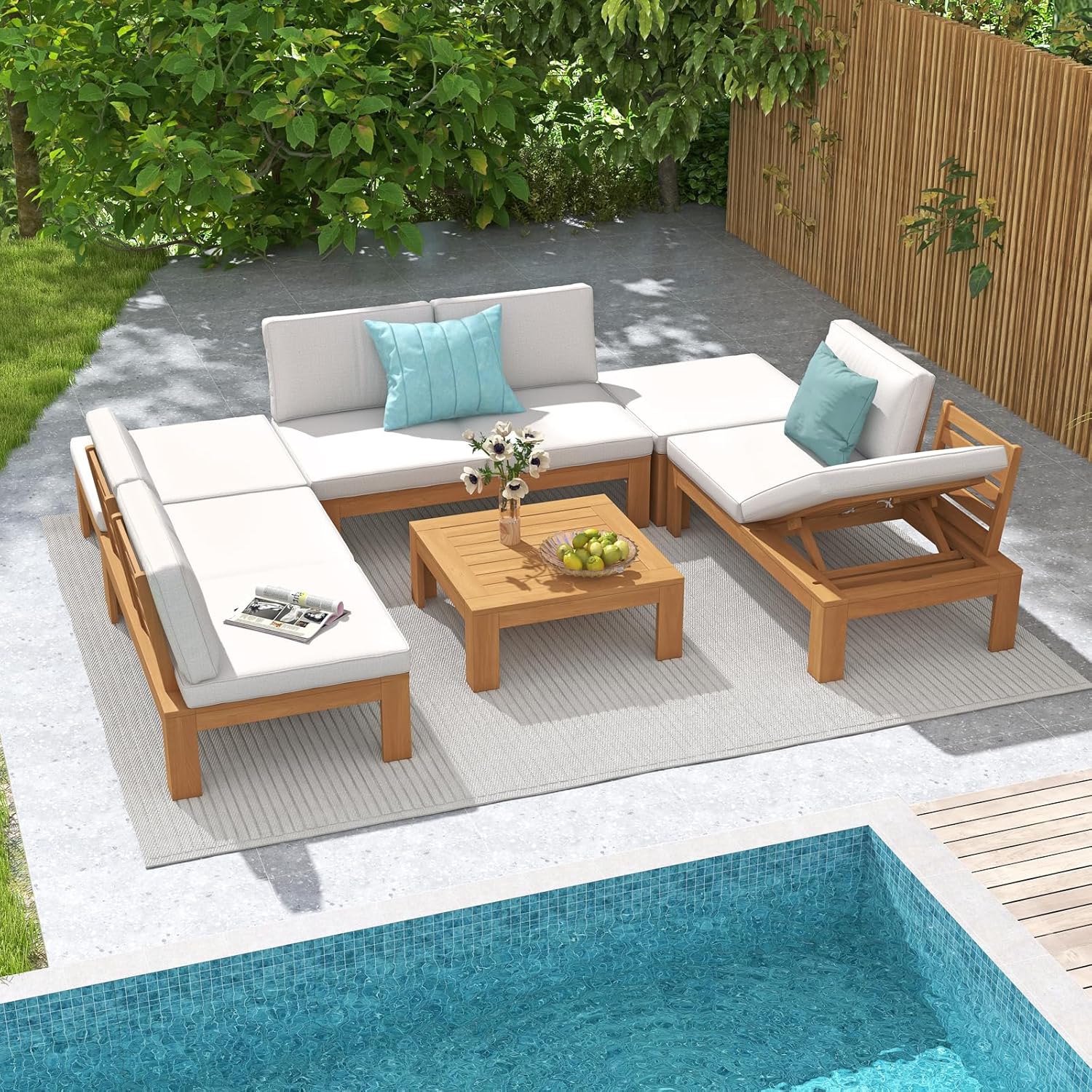
3. Untreated Wood Is Vulnerable to Warping and Cracking
Wood naturally expands and contracts as temperatures and humidity levels change.
When lower-quality wood or untreated lumber is exposed to strong summer sun, moisture evaporates rapidly from the material. This can lead to:
- Surface cracks
- Splitting
- Warping
- Rough texture
- Uneven discoloration
Softwoods are especially susceptible to sun-related damage. Even hardwood furniture requires proper finishing and maintenance to preserve its appearance and structural integrity.
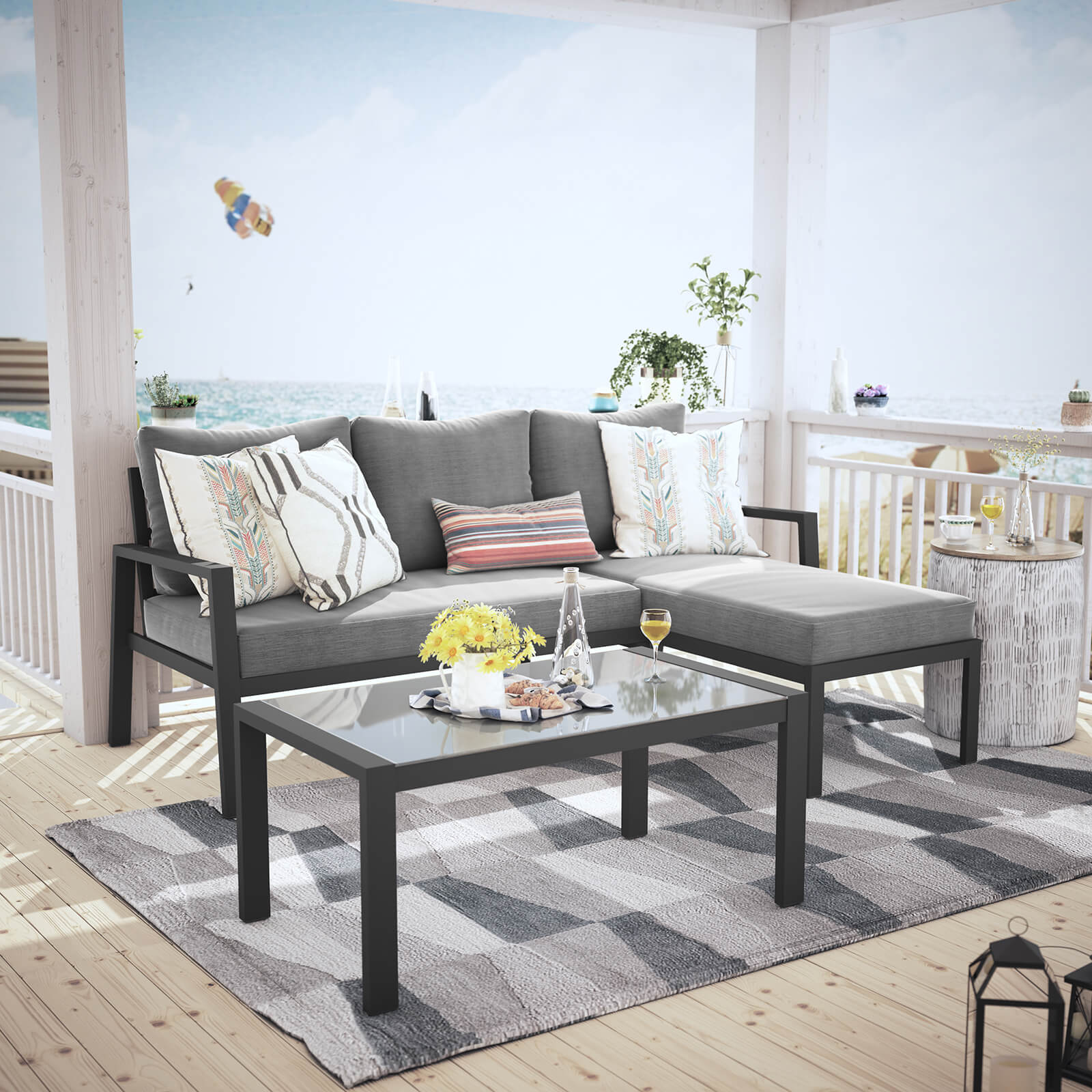
4. Dark-Colored Metal Furniture Can Become Uncomfortably Hot
Metal furniture is generally durable, but not all metal furniture performs equally in summer.
Steel furniture with poor-quality coatings may experience paint degradation and eventual rust formation when coatings break down. In addition, dark-colored metal surfaces absorb substantial heat, making chairs and tables uncomfortable to touch during hot afternoons.
Poorly finished metal furniture may also show:
- Peeling coatings
- Fading powder coat finishes
- Corrosion at joints and welds
Choosing powder-coated aluminum instead of ordinary steel can dramatically improve long-term outdoor performance.
5. Outdoor Cushions Without UV-Resistant Fabric
Many consumers focus on furniture frames but overlook the cushions.
Low-quality outdoor fabrics can fade dramatically after just one season. Colors become dull, fibers weaken, and cushions lose their attractive appearance.
Warning signs include:
- Significant color fading
- Fabric thinning
- Fraying seams
- Loss of water resistance
High-performance fabrics specifically engineered for outdoor use offer superior resistance to UV rays, moisture, and mildew.
What Outdoor Furniture Materials Hold Up Best in Summer?
When shopping for furniture that can survive years of intense sun exposure, look for materials specifically designed for outdoor environments.
Powder-Coated Aluminum
Aluminum is lightweight, rust-resistant, and highly durable. Premium powder-coated finishes provide excellent protection against UV exposure and weather.
Responsibly Sourced Teak
Teak contains natural oils that help resist moisture, insects, and weathering. While its color will gradually develop a silver-gray patina, its structural integrity remains exceptionally strong.
High-Quality HDPE Wicker
Unlike cheaper synthetic wicker, HDPE wicker is engineered to resist fading, cracking, and brittleness caused by prolonged UV exposure.
Performance Outdoor Fabrics
Premium outdoor fabrics maintain their color and strength even after years of sunlight exposure, making them ideal for cushions and upholstery.
The Real Cost of Cheap Outdoor Furniture
The least expensive furniture is often the most expensive to own.
A bargain set that fades, cracks, or warps after two summers may need replacement long before a higher-quality alternative. Investing in durable materials designed specifically for outdoor environments reduces maintenance, improves comfort, and provides better long-term value.
When evaluating outdoor furniture, don't focus solely on appearance or price. Pay close attention to the materials, finishes, and fabric quality. The right choices can keep your outdoor space looking beautiful through many summers, while the wrong ones may not survive even a few seasons.
The best outdoor furniture isn't simply made for the outdoors—it is engineered to thrive in it.
Comment


-(1).jpg?w=3500&h=2625)


.jpeg?w=1600&h=1600)