Rope vs Rattan Outdoor Furniture: Which Material Performs Better?
When shopping for outdoor furniture, two woven materials dominate the market: rattan and rope. At first glance, they look similar—both feature hand-woven textures that bring warmth and laid-back style to patios, balconies, and gardens. Yet beneath their comparable appearances lies a world of difference in material essence, structural performance, comfort, weather resistance, and maintenance needs.
Many homeowners and designers struggle to choose between the two, simply because they fail to distinguish one critical core difference: rattan creates a rigid, solid woven surface, while rope forms a soft, tension-based elastic mesh. This fundamental distinction shapes their entire outdoor performance and applicable scenarios. Today, we break down their key differences in detail to help you pick the perfect material for your outdoor space.
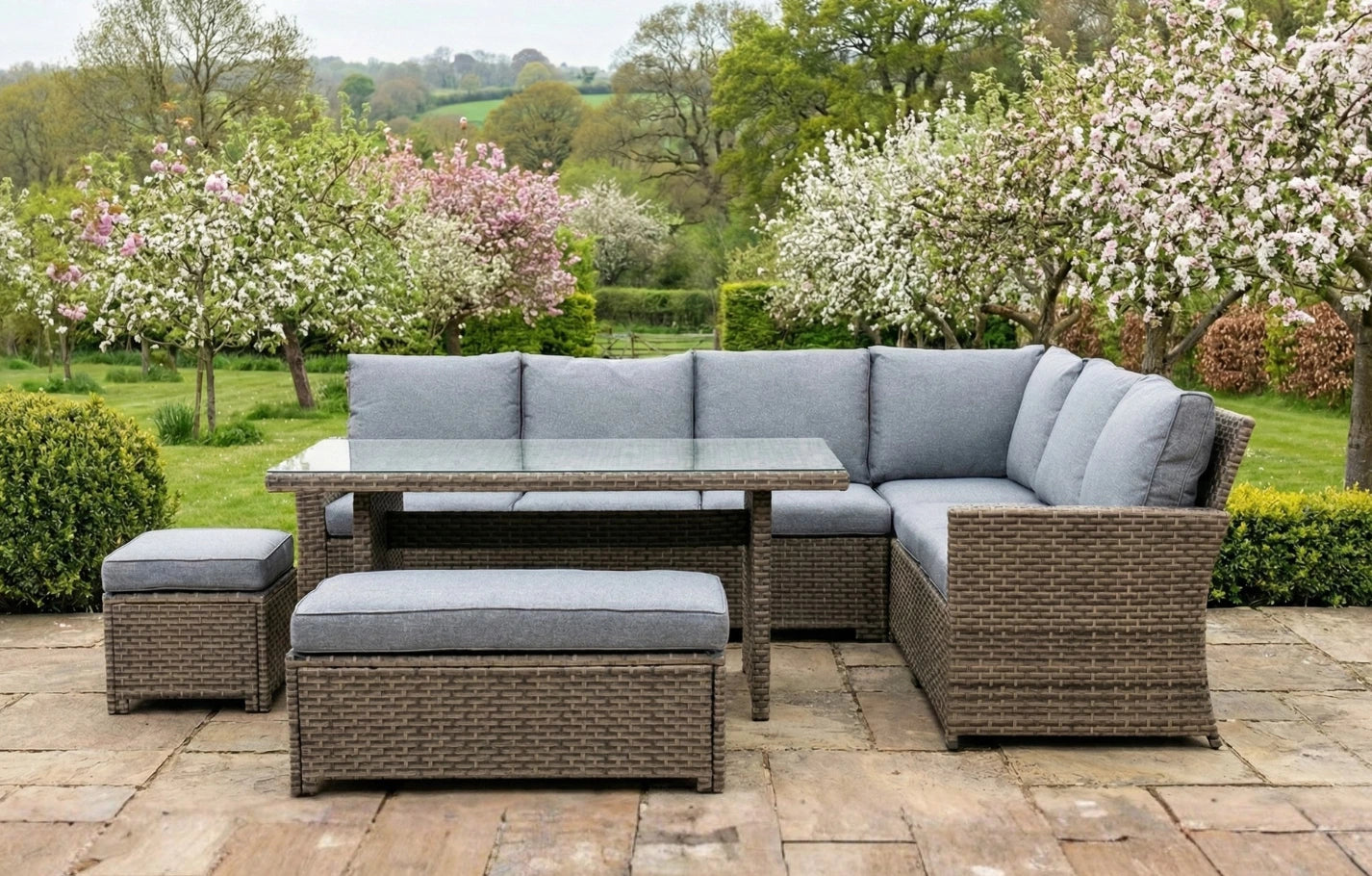
1. Material Essence: Solid Strips vs. Cylindrical Fibers
The root gap between rattan and rope starts with their raw materials and physical forms.
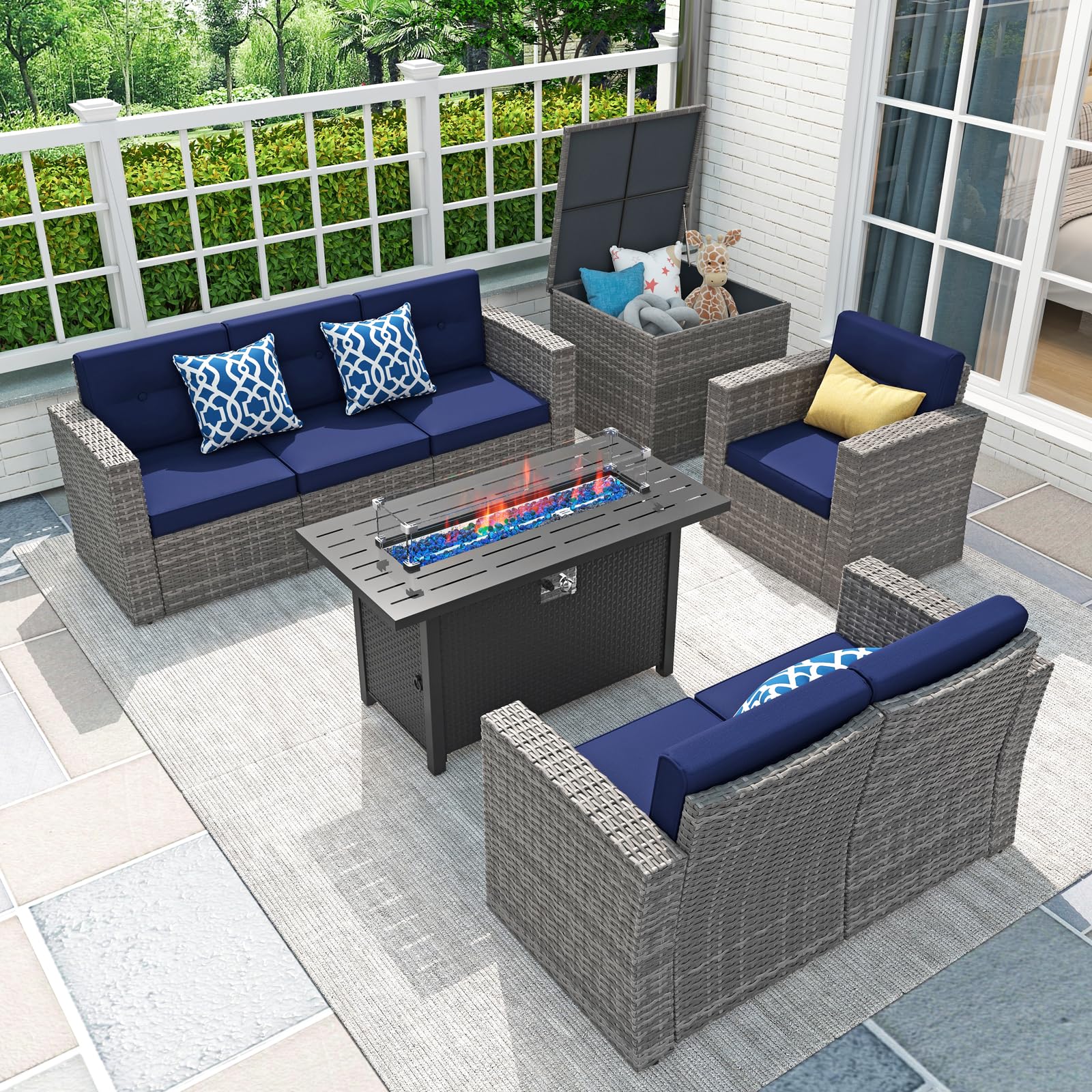
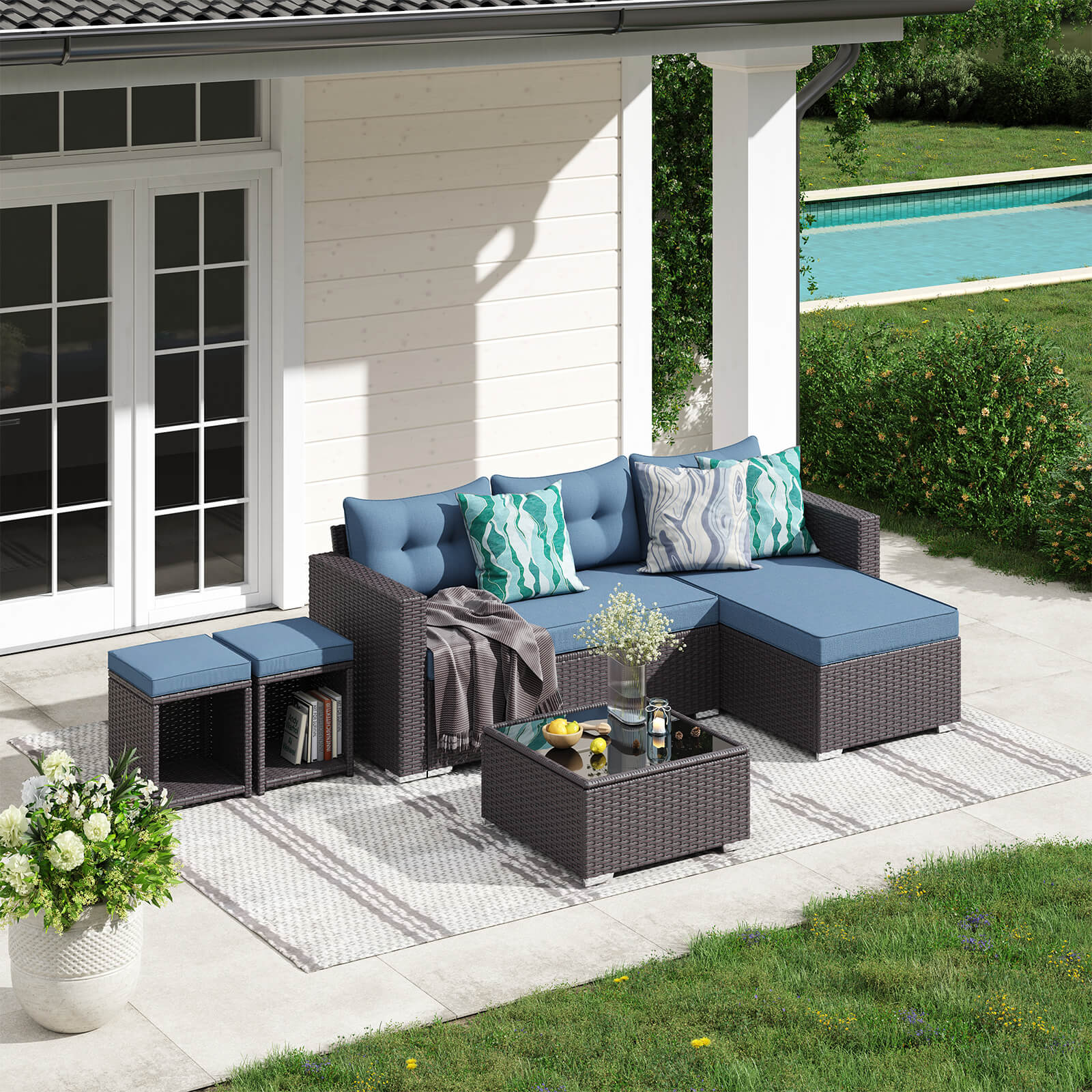
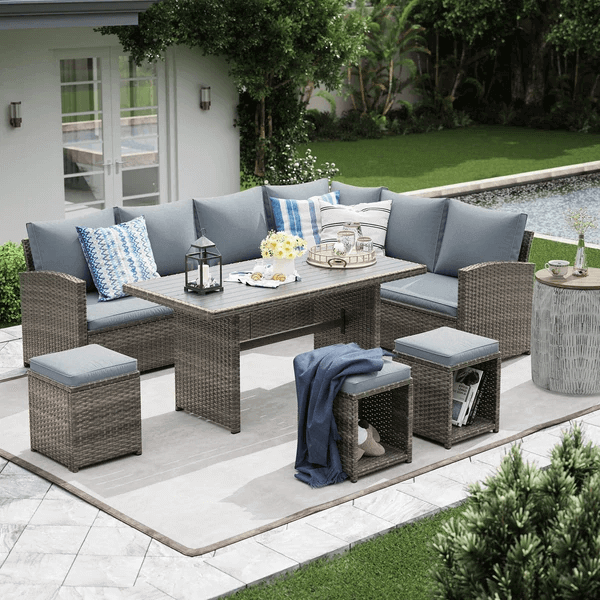
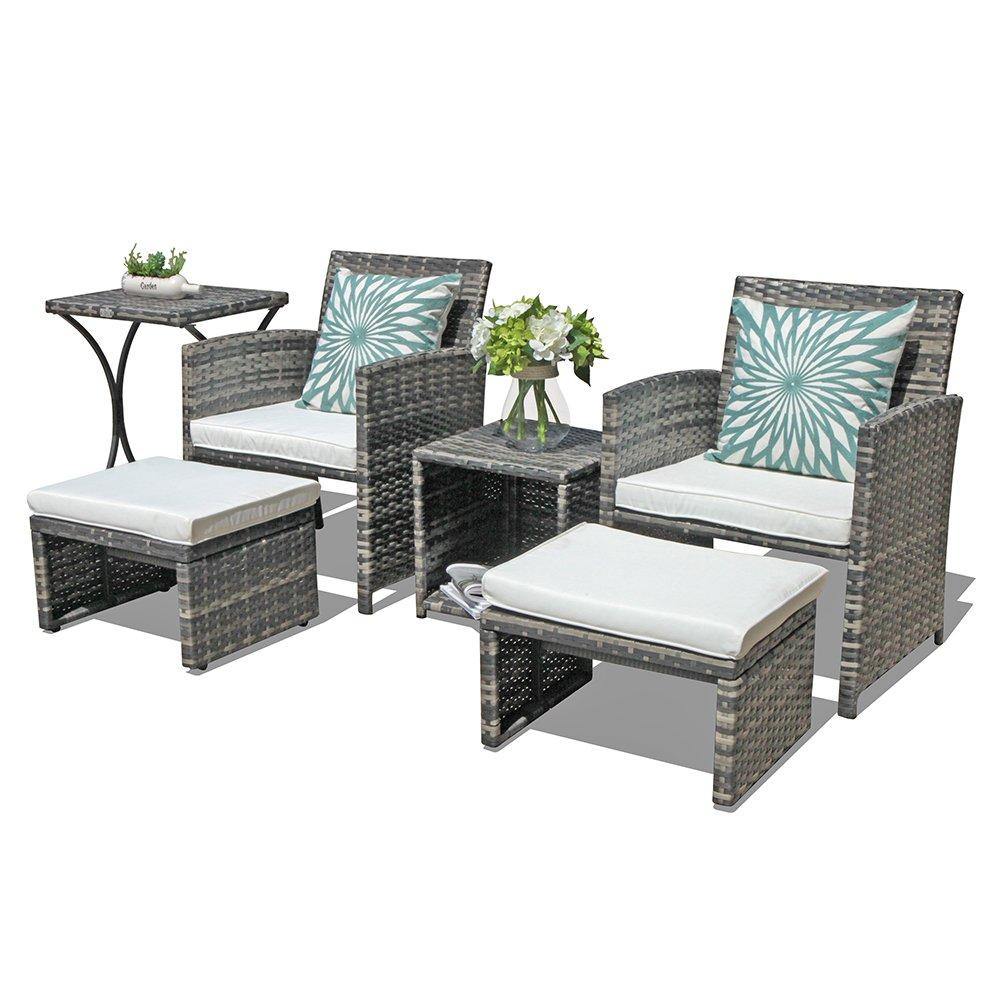
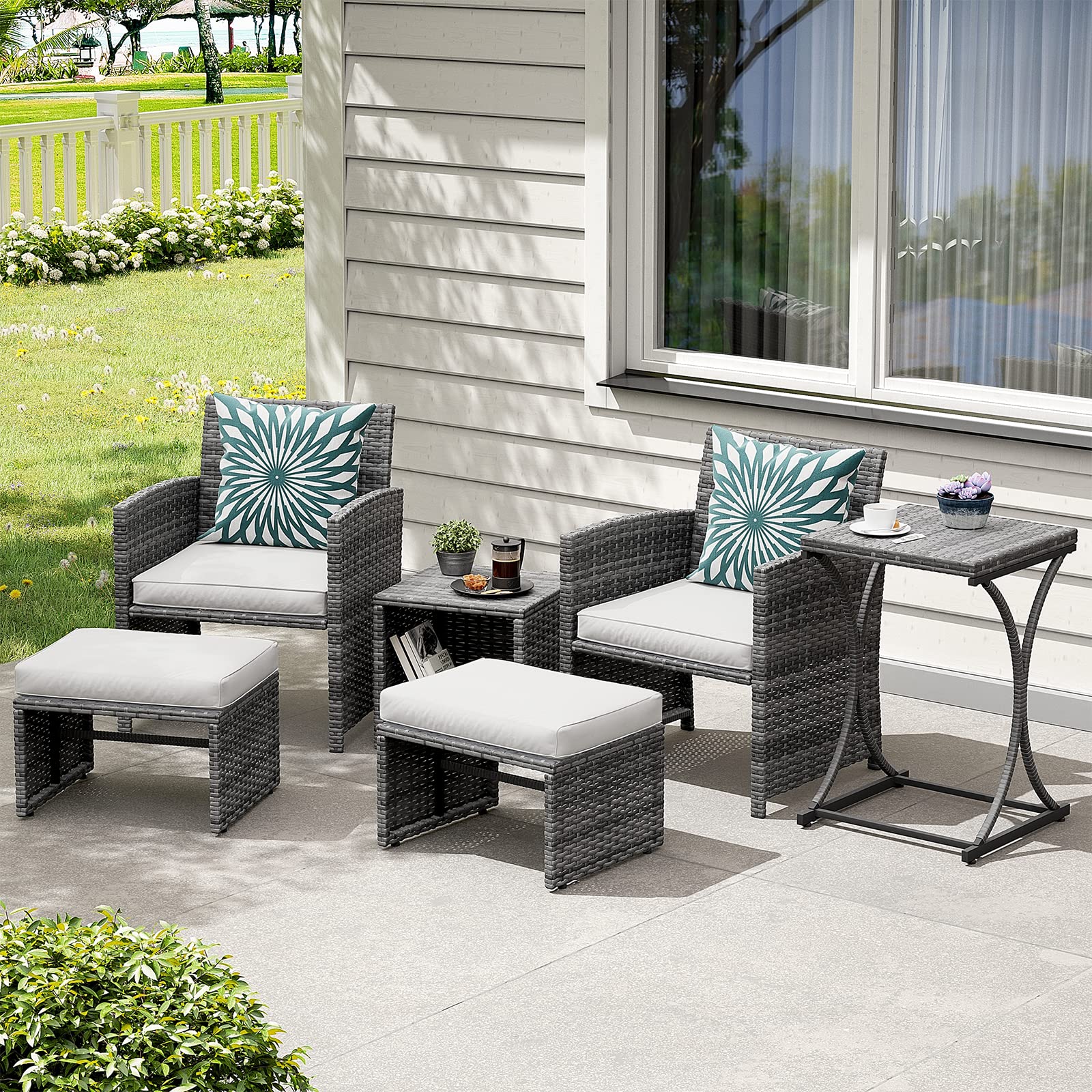
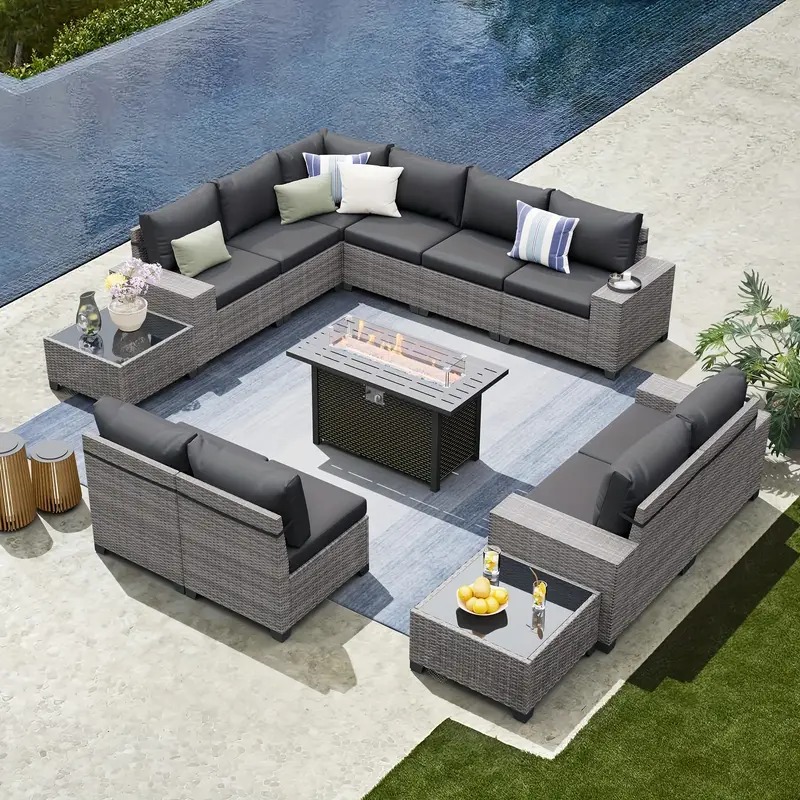
Rattan refers to flat, strip-shaped weaving materials. It includes two mainstream types: natural rattan peeled from palm stems and high-quality synthetic PE rattan (HDPE strips) designed for outdoor use. Whether natural or synthetic, rattan retains a flat, rigid strip structure after weaving, laying the foundation for its firm and stable surface.
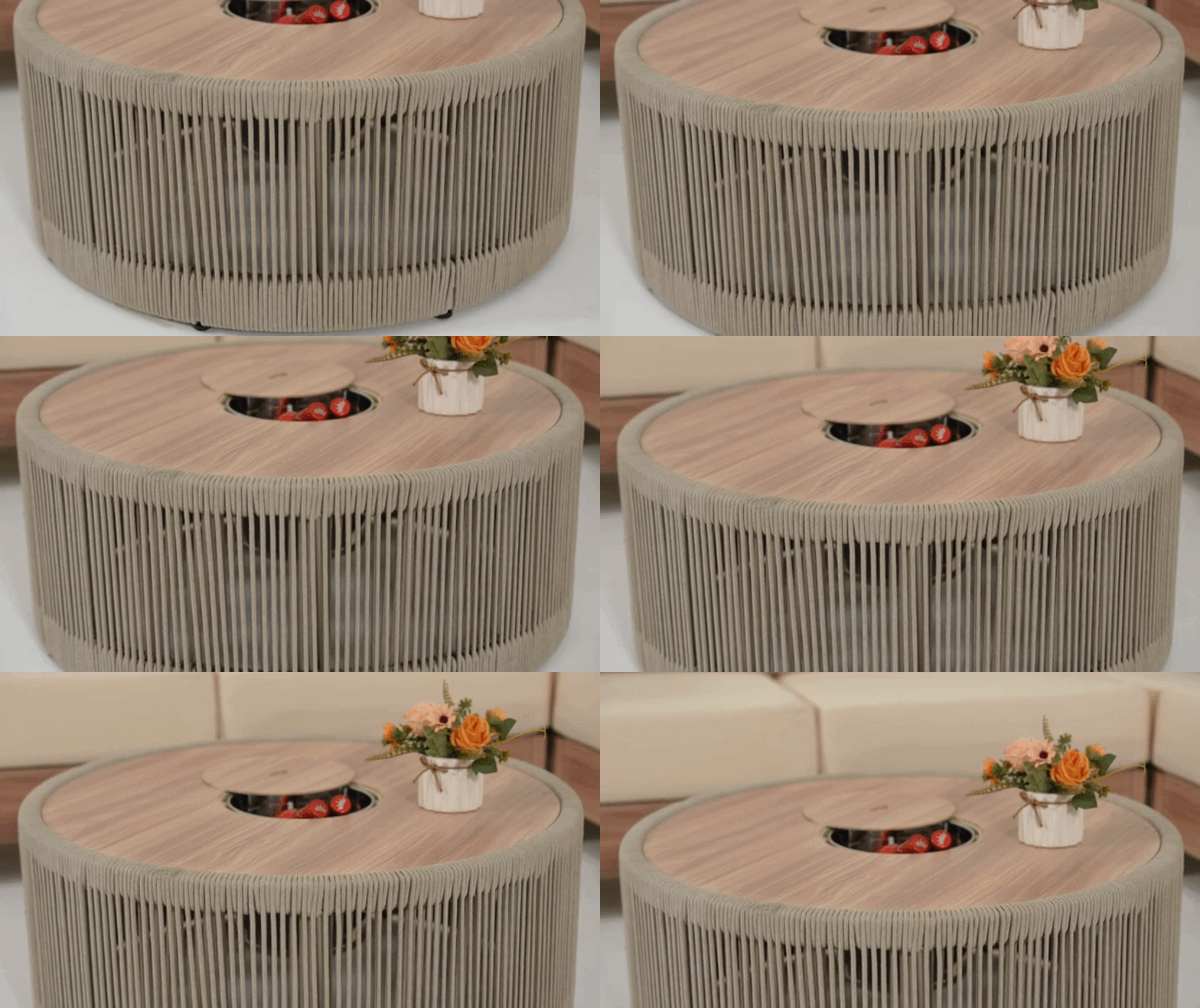
Rope, by contrast, adopts a cylindrical fiber structure. Outdoor-grade furniture rope is mostly made of UV-stabilized nylon or polyester fibers, the same marine-grade materials used for yacht rigging and outdoor suspension equipment. Multiple strands of fibers are twisted and braided into round ropes, featuring inherent flexibility that differentiates it completely from rigid rattan strips.
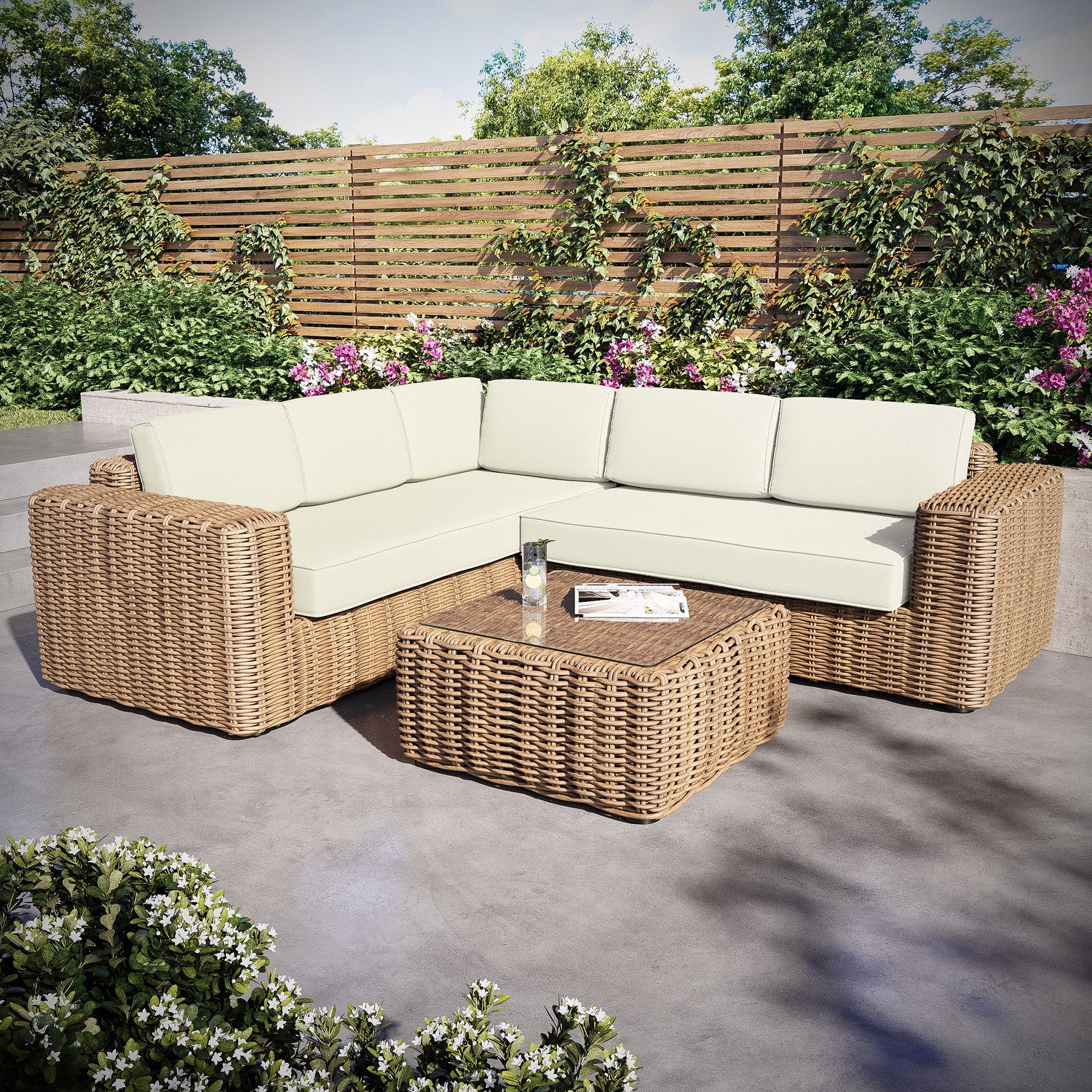
2. Structural Performance: Rigid Panel vs. Elastic Tension Mesh
Their distinct material forms lead to entirely different structural characteristics, which directly affect furniture stability and usability.
Woven rattan forms a smooth, flat, or slightly curved rigid panel structure. The interlaced flat strips lock tightly with each other, creating a solid, self-supporting surface with strong structural rigidity. It does not sag or deform easily under daily pressure, making it capable of supporting tabletops, full sofa seat backs, and load-bearing outdoor surfaces independently.
Rope weaving delivers a high-tension elastic mesh structure. The cylindrical ropes are stretched and fixed on metal or aluminum frames, relying entirely on frame tension to maintain shape. Its woven surface is soft and slightly stretchy without rigid support. While it offers excellent flexibility, low-density rope weaving may gradually sag after long-term use, requiring precise tension control during production.
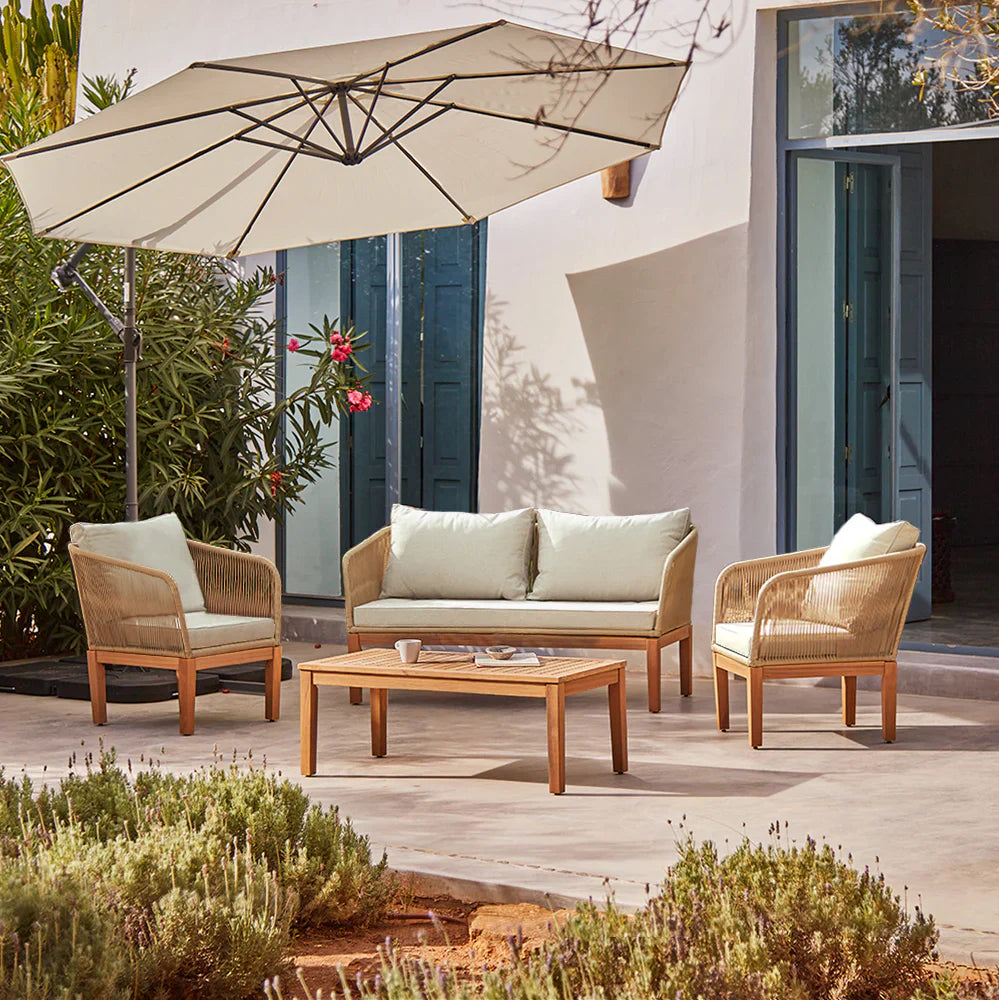
3. Touch & Sitting Experience: Sturdy Support vs. Soft Flexibility
Comfort is a top priority for outdoor leisure furniture, and rattan and rope offer totally different tactile experiences.
PE synthetic rattan features a smooth, neat surface with stable, firm support. It is crisp and non-deformable when sitting or leaning on it, providing reliable body support for long-time sitting and dining. The only minor drawback is its relatively hard texture, so adding cushions is recommended for enhanced softness during prolonged use.
Rope furniture boasts outstanding softness and ergonomic fit. The elastic rope mesh can slightly deform according to body curves, dispersing body pressure and bringing a wrapped, cozy feeling. It is far more breathable than rattan, avoiding stuffiness in hot summer days. However, its lack of rigid support makes it unsuitable for scenarios requiring stable and flat bearing, such as outdoor dining tabletops.
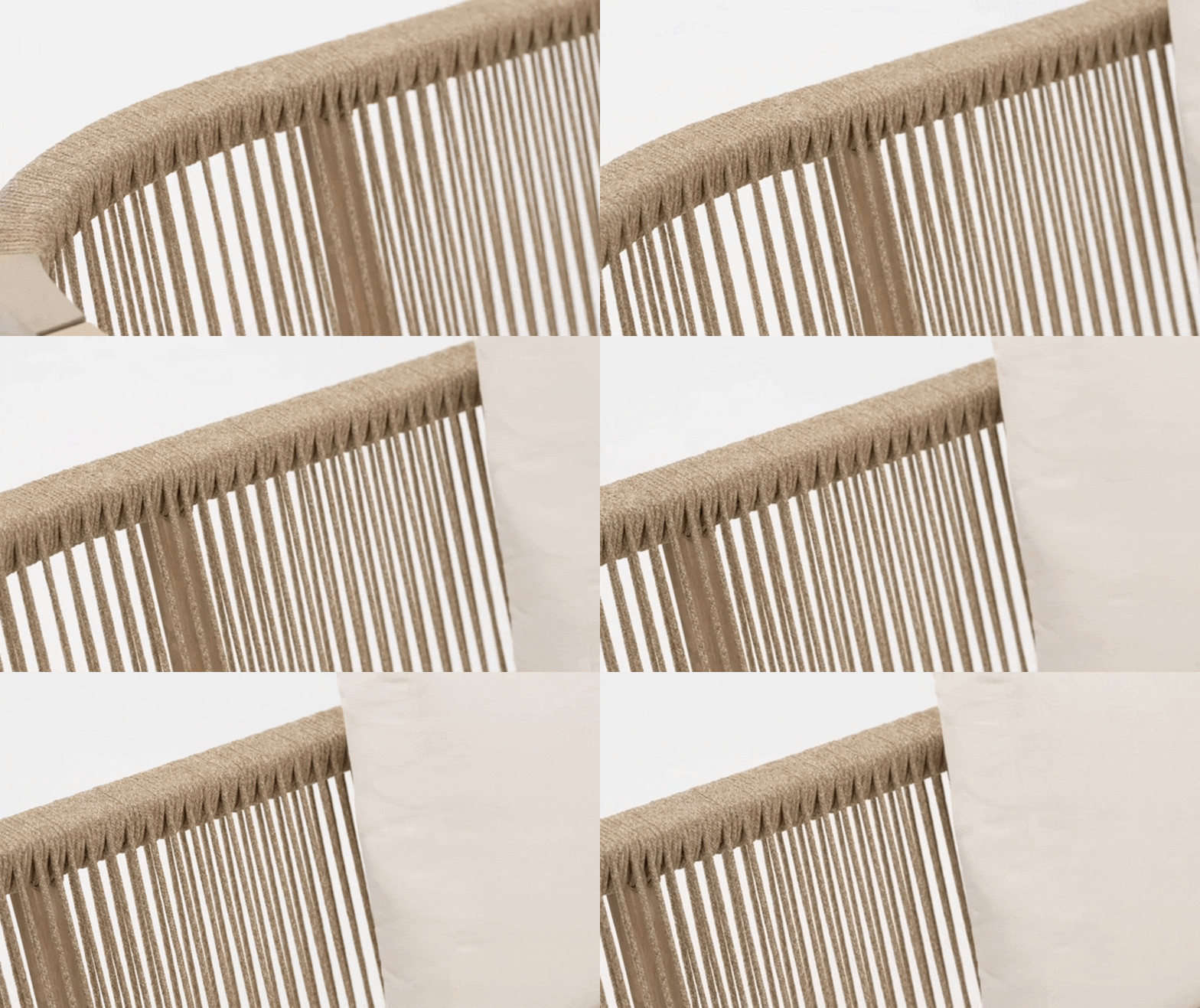
4. Weather Resistance & Durability: Core Outdoor Advantage Gap
Outdoor furniture endures long-term sun exposure, rain, and humidity, so weather resistance determines its service life and cost performance.
High-quality PE rattan is the winner in outdoor weather resistance. Its integral HDPE material features inherent UV resistance and zero water absorption. It will not crack, fade, swell, or mildew under continuous sunlight and rain. With stable physical properties, premium PE rattan furniture can serve 5–8 years or even longer in fully open-air environments, ideal for all-weather outdoor use.
Outdoor rope relies on surface UV protective coatings for weather resistance rather than inherent material stability. Long-term intense UV radiation will gradually wear off the coating, causing fiber pilling, fading, and reduced tensile strength. In coastal or high-humidity areas, low-density rope is prone to moisture retention, mildew growth, and permanent sag deformation. Even high-grade marine rope has a shorter service life (3–5 years) than qualified PE rattan in fully exposed outdoor scenarios.
5. Daily Maintenance: Hassle-Free vs. Care-Required
For most families, low maintenance is a crucial advantage of outdoor furniture, and rattan outperforms rope significantly in this aspect.
PE rattan has a dense, non-porous woven surface with no hidden gaps for dust and dirt accumulation. Daily cleaning is extremely convenient—simply wipe it with a damp cloth, or even flush it directly with a high-pressure water gun. It dries quickly and never breeds mildew due to moisture, realizing true "zero-maintenance" outdoor use.
Rope mesh has numerous tiny gaps that easily trap dust, mud, and fallen leaves. Daily wiping cannot clean residual dirt thoroughly, which requires manual brushing for deep cleaning. More importantly, the multi-layer fiber structure of rope absorbs moisture easily and dries slowly. In humid seasons or rainy days, trapped moisture inside the gaps will cause mildew and peculiar smells if not dried in time, requiring regular manual maintenance.
6. Best Application Scenarios for Each Material
Based on their respective strengths and weaknesses, rattan and rope are suitable for different outdoor scenarios, with no absolute "better"—only "more suitable".
Rattan (PE Synthetic) – Best for Full Outdoor & Multi-Scenario Use
-
Fully open-air patios, courtyards, and rooftop terraces
-
Outdoor dining sets, full-support sofa sets, rattan tabletop furniture
-
Commercial outdoor spaces (hotels, cafes, parks) requiring long-term durability
-
Humid, rainy, or strong UV exposure areas
Rope – Best for Semi-Outdoor & Light Leisure Scenarios
-
Semi-outdoor spaces: covered balconies, sunrooms, corridor leisure areas
-
Light leisure furniture: lounge chairs, hanging chairs, single leisure seats, decorative cable structures
-
Spaces requiring frequent furniture movement and flexible layout adjustment
-
Modern minimalist outdoor decoration focusing on breathability and soft experience
Final Verdict: How to Choose?
Choose PE Rattan if you prioritize durability, stability, and low maintenance. It is the most cost-effective and practical choice for full outdoor exposure, family daily use, and commercial scenarios, with strong weather resistance and a long service life.
Choose Outdoor Rope if you pursue soft comfort, modern aesthetics, and breathable leisure experience. It is perfect for semi-outdoor covered spaces. As long as it avoids long-term direct sun and rain exposure and receives simple regular maintenance, rope furniture can bring a superior relaxed leisure feeling that rattan cannot match.
In short: Rattan is for practical outdoor durability, while rope is for comfortable outdoor aesthetics. Match the material to your space environment and usage habits, and you can get the most suitable outdoor furniture solution.
Comment

-(1).jpg?w=3500&h=2625)



.jpeg?w=1600&h=1600)