Acacia Wood vs. Aluminum vs. Wicker: Which Patio Furniture Material Actually Lasts?
Most people buy patio furniture the way they buy a couch — they sit on it once, decide it feels right, and then spend the next four summers learning the hard way what "weather-resistant" actually means.
I've watched a neighbor replace the same cheap set three times while a single aluminum one kept working quietly. So let's talk about the three materials you'll see on almost every patio — acacia wood, aluminum, and synthetic wicker — and be honest about what each one asks of you.
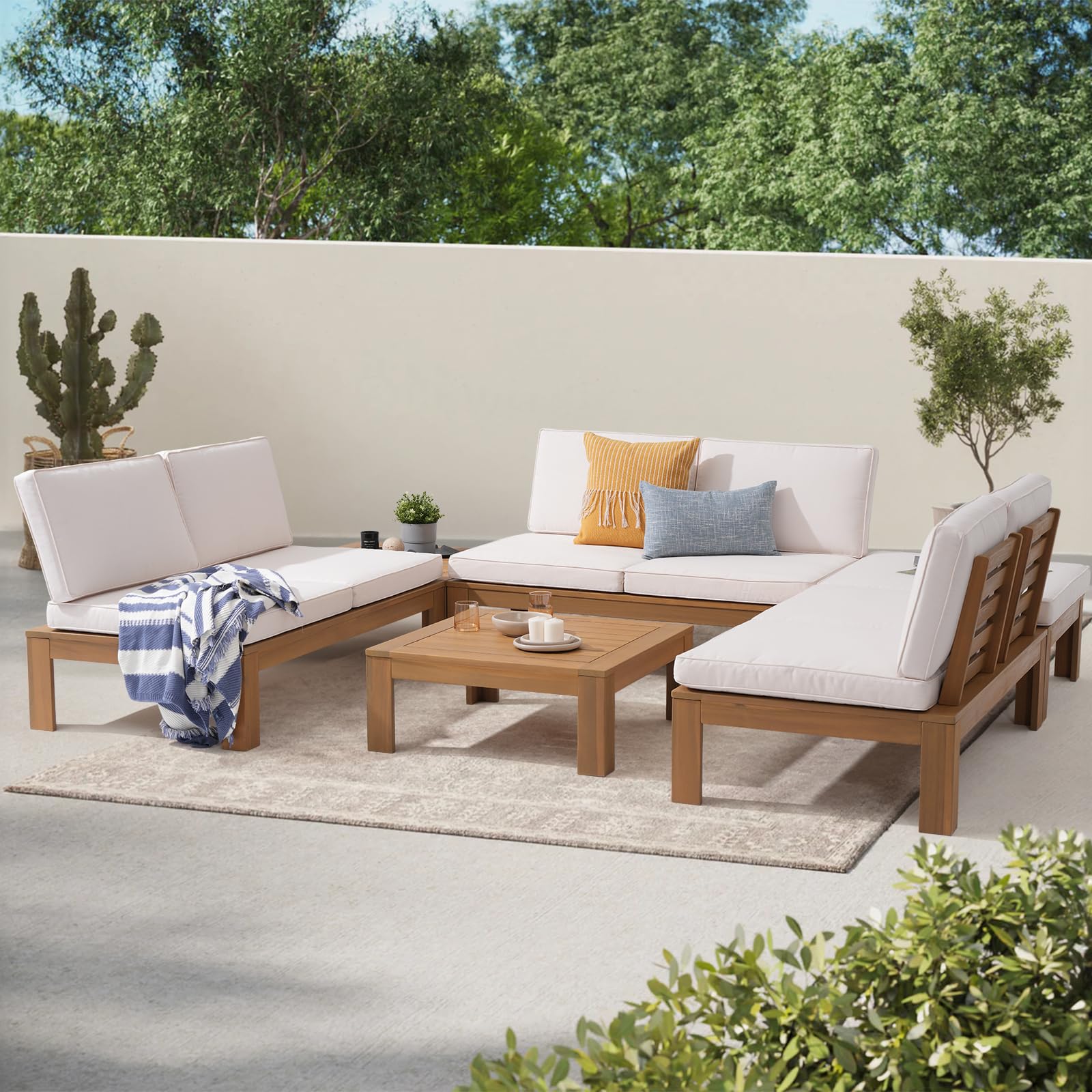
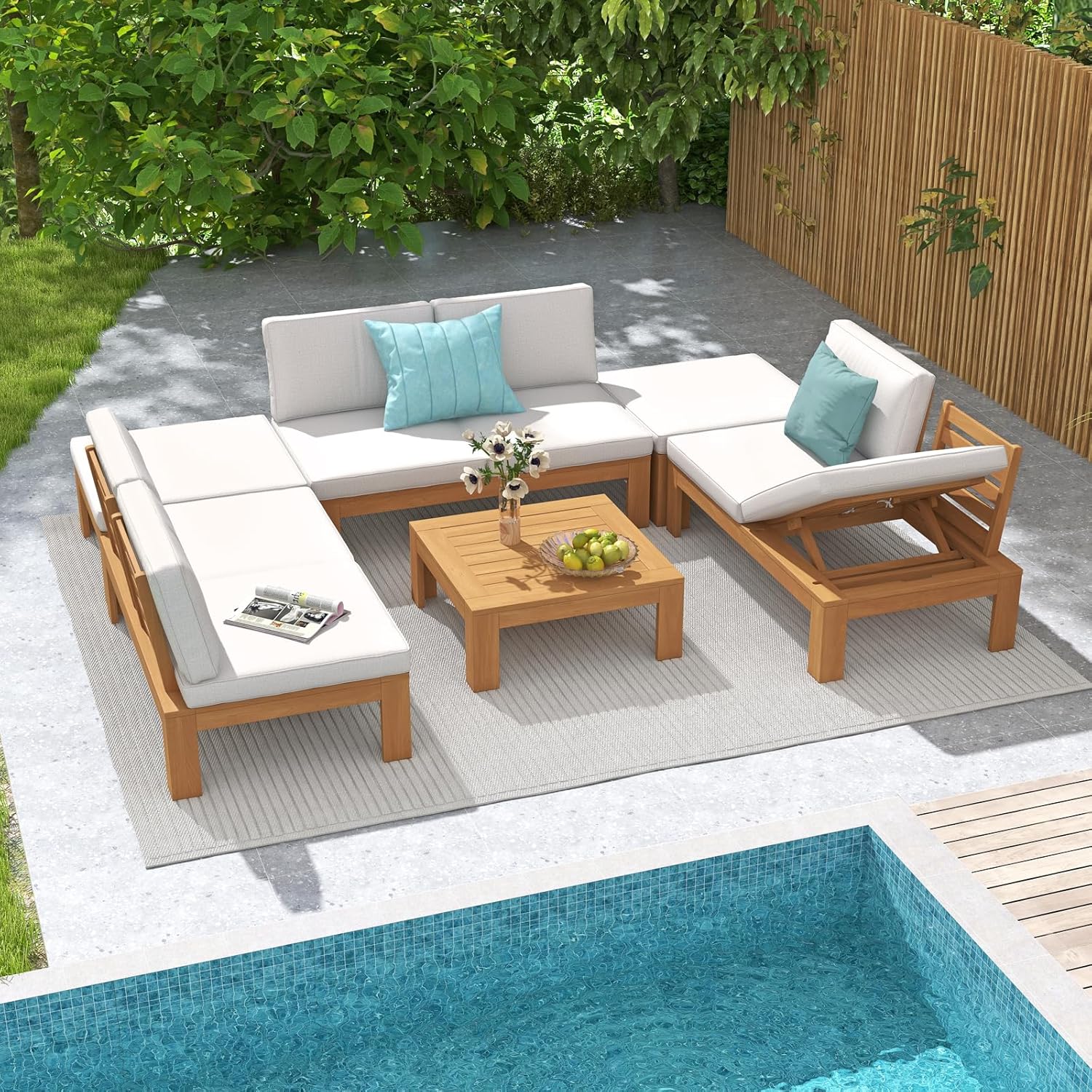
Acacia wood is the warm one. It looks like furniture, not like something borrowed from a hotel lobby. There's a reason wood has never gone out of style in outdoor spaces: it reads as natural, it ages instead of just getting old, and it makes a patio feel finished in a way that metal rarely does. The catch is that wood is honest. If you ignore it, it will tell you — the grain will dry out, pale, and eventually start to check and crack. Acacia earns its keep when it's properly finished. Look for FSC-certified acacia with a high-grade oil coating, because you're buying two things at once: wood from a responsibly managed source, and a surface sealed well enough to shed water instead of soaking it up. Give it a wipe-down a couple of times a season and an oil top-up once a year, and it will look better in five years than it does today. That's a rare thing to be able to say about anything.
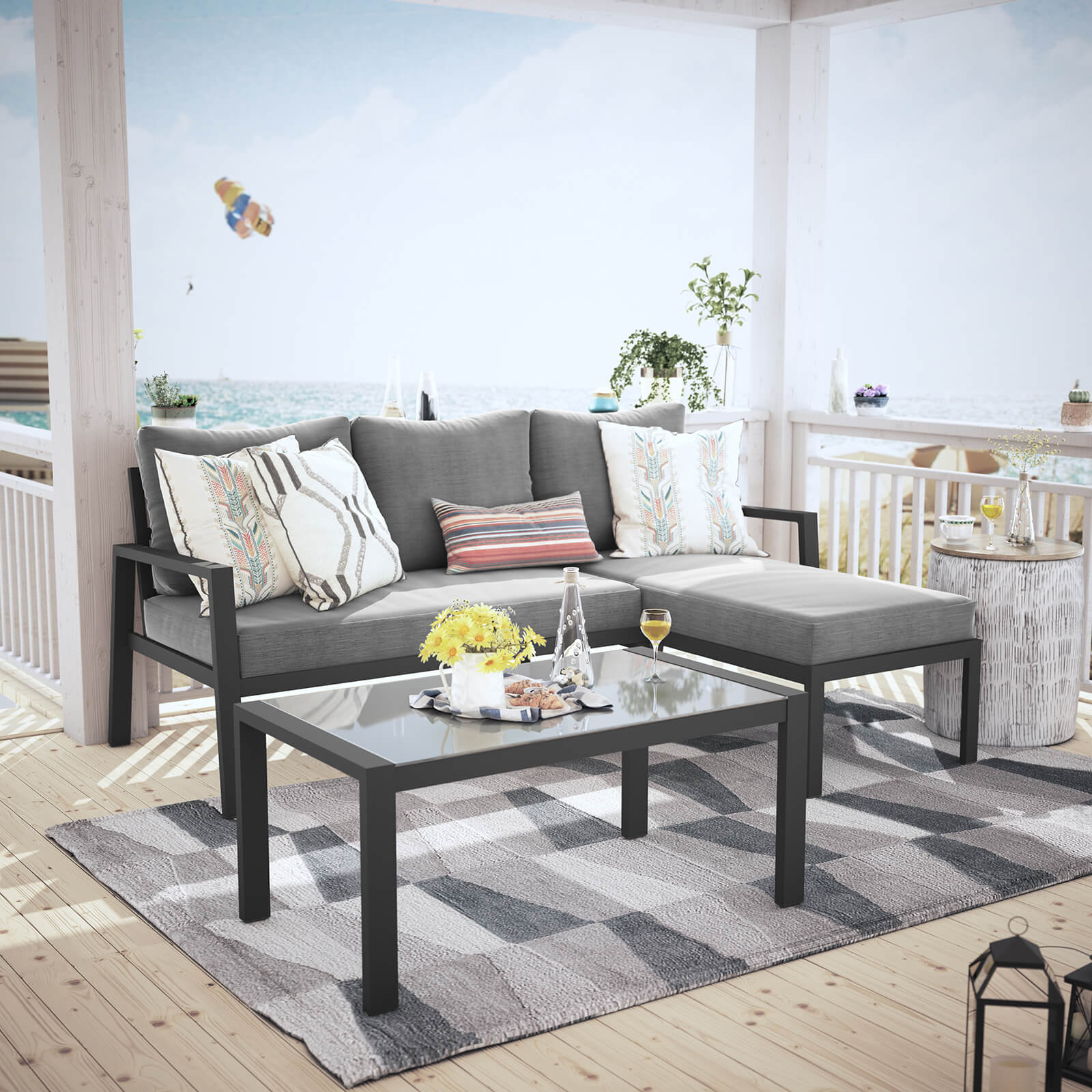
Aluminum is the one that just never quits. It doesn't rust — that's not a slogan, it's chemistry. Aluminum oxidizes into a layer that protects itself, which is why it keeps working on a coast where steel would be weeping orange stains within two summers. It's also light. A whole dining table you can slide across a deck with one hand matters more than people admit until the day they want to mow underneath it, or rearrange the patio on a whim, or move house. The finish is what keeps it pretty: a powder-coated surface is baked on rather than painted, so it resists chipping and fading far better than a painted one would. What you give up is a certain weightiness. Aluminum can feel airy, and some people want furniture that feels substantial. If that's you, a teak-top table bridges it — a light aluminum frame with a solid wood surface where your hands and plates actually land.
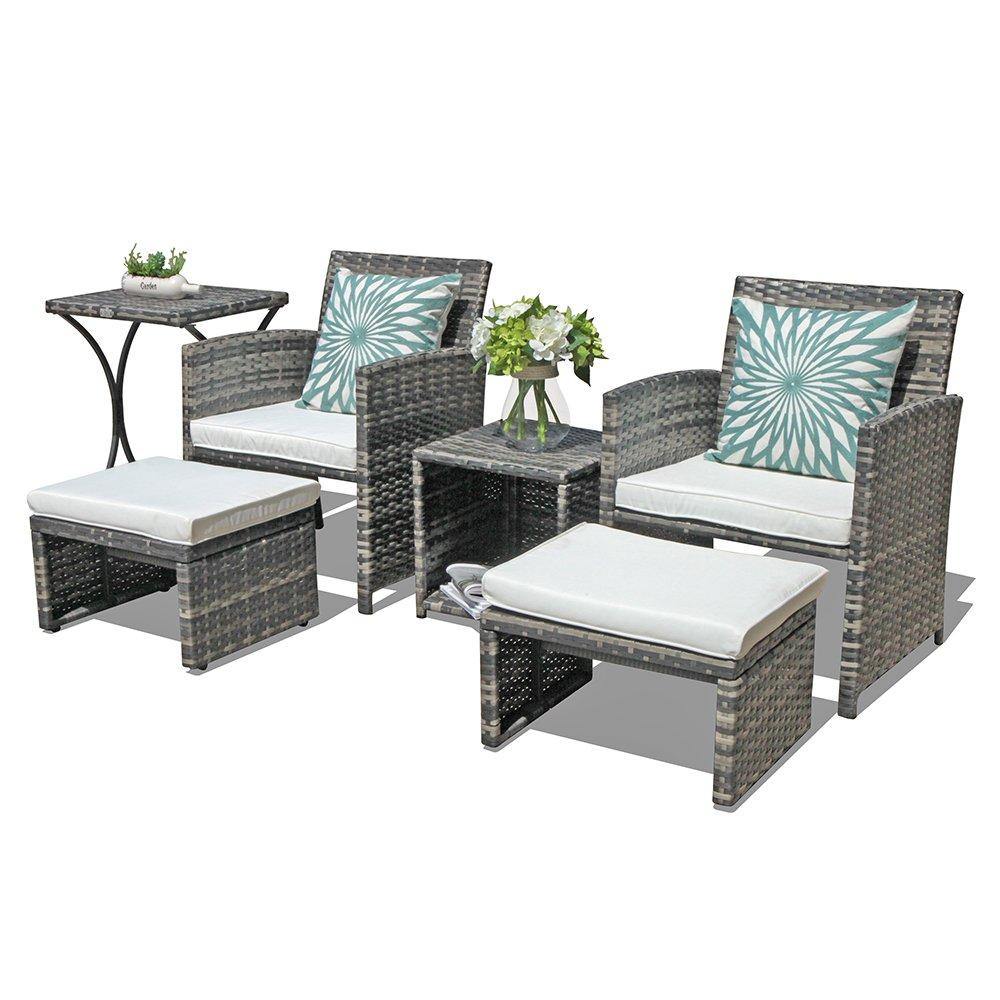
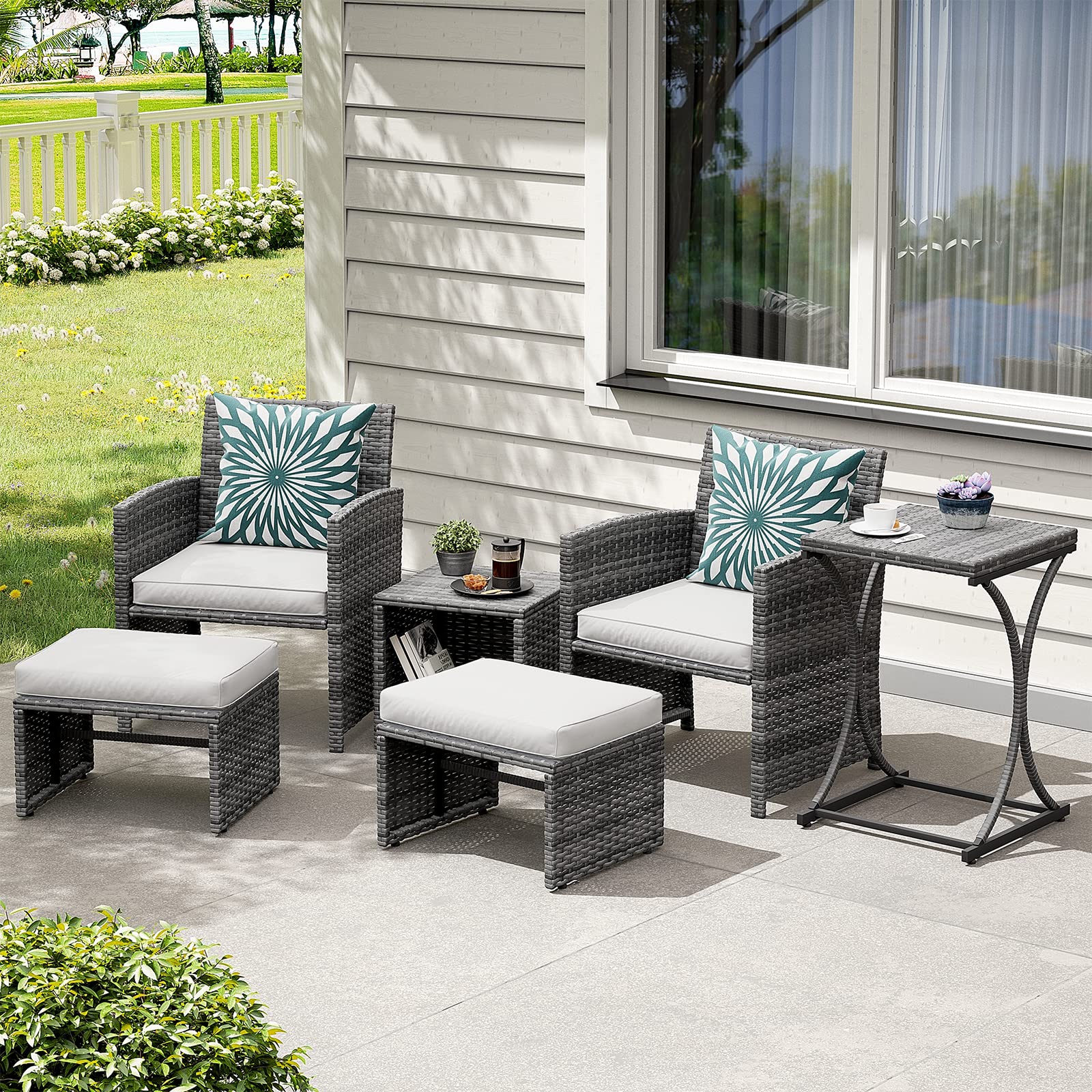
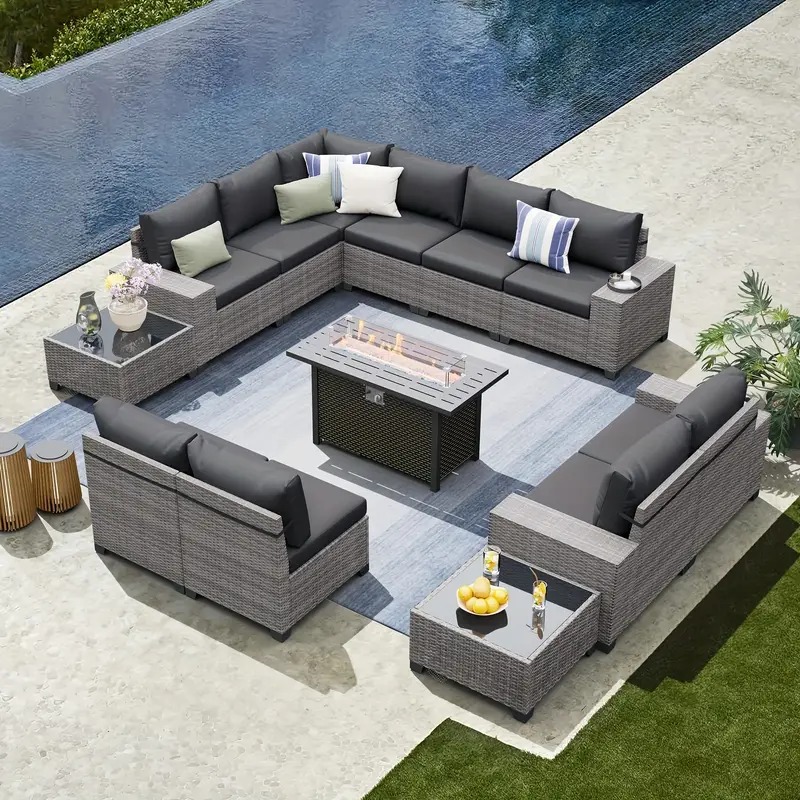
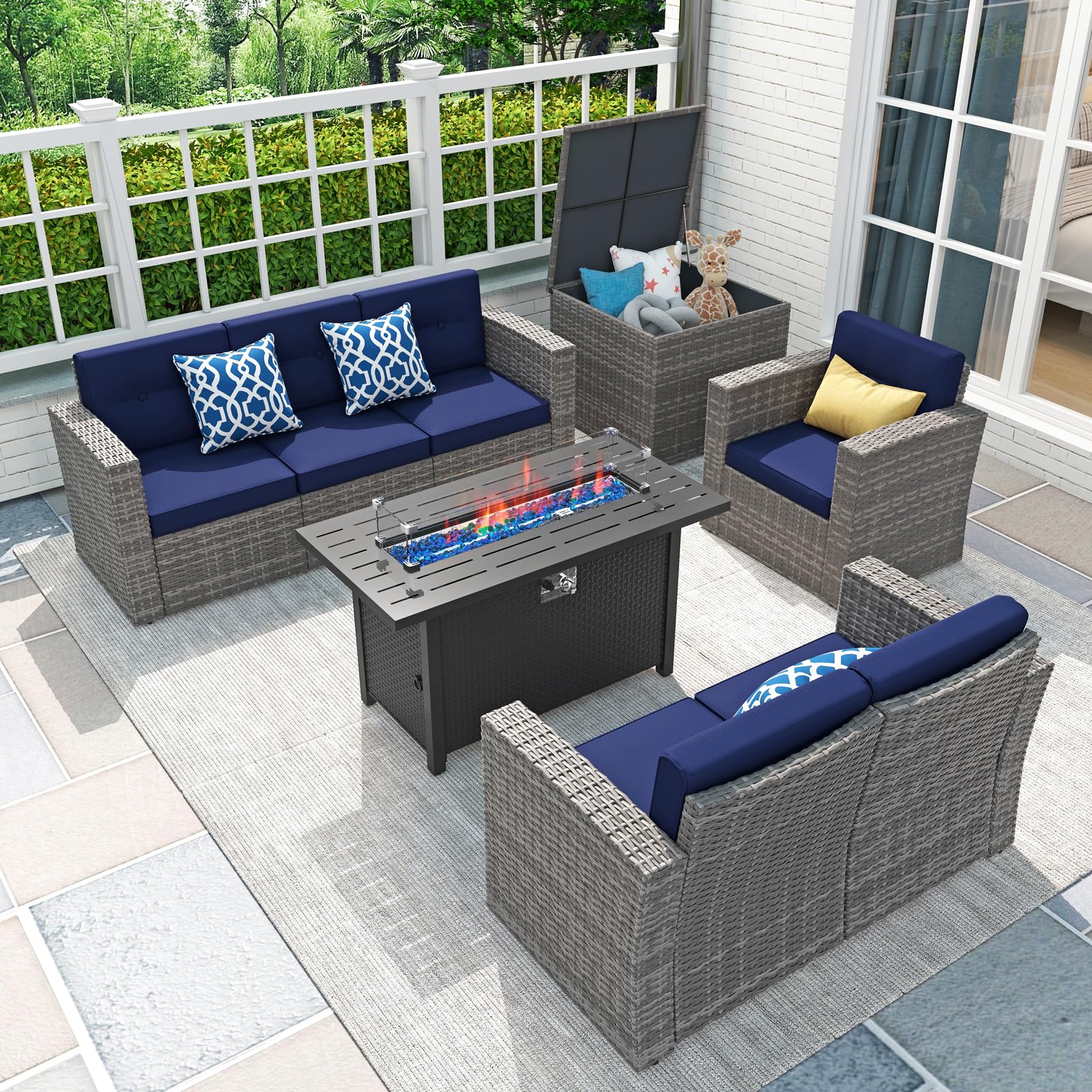
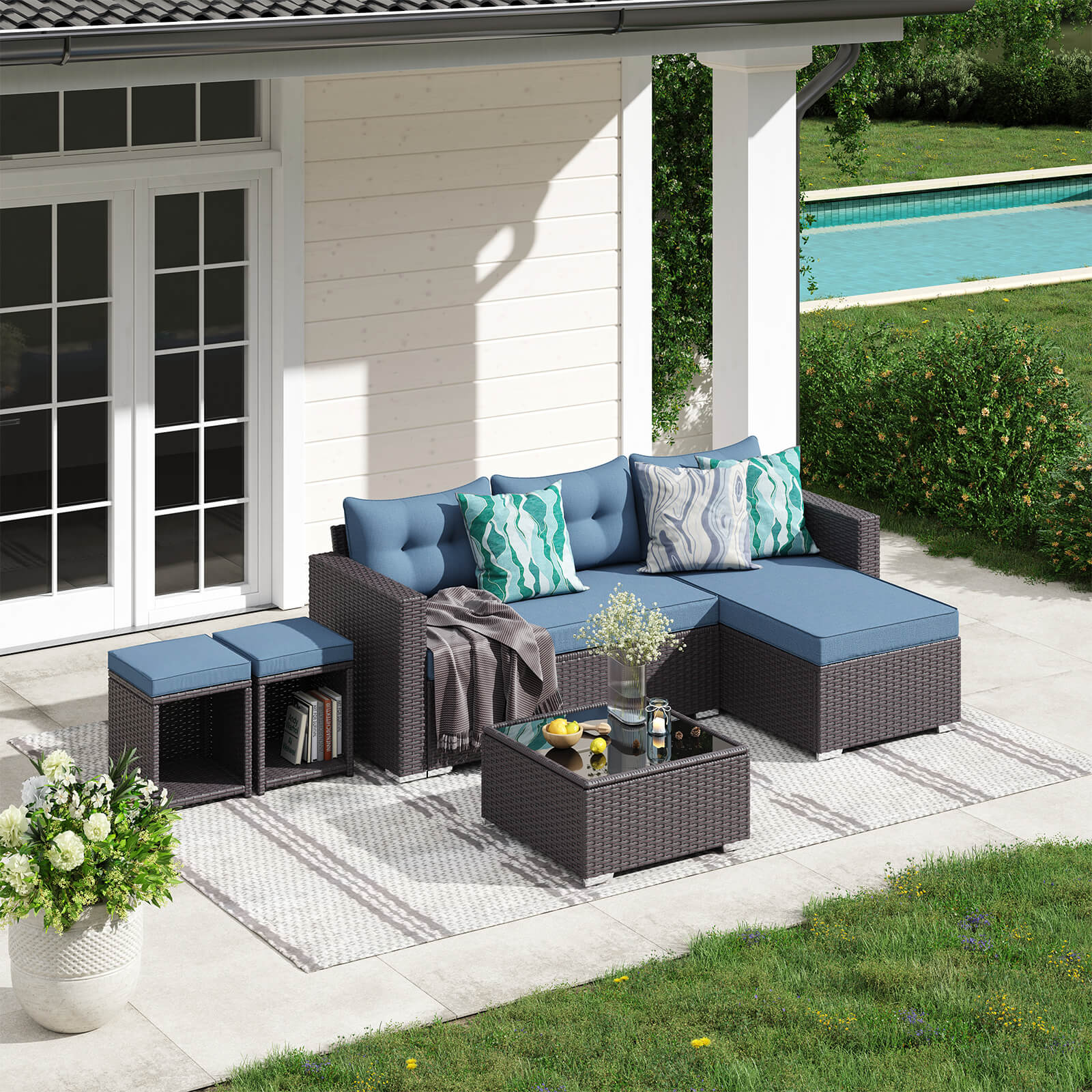
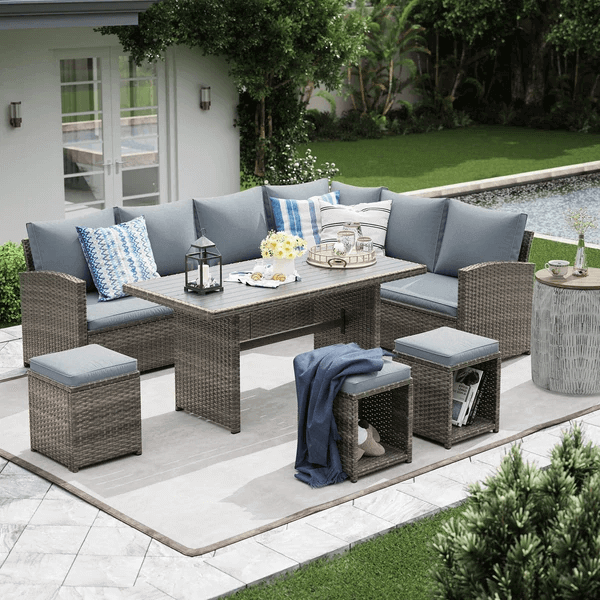
Wicker — the good synthetic kind — is the middle path. Let's be specific, because "wicker" gets blamed for things that were never its fault. Natural rattan is lovely and belongs indoors; outside it drinks moisture and mildews from the inside. PE wicker, polyethylene, is what you want outdoors. It's flexible, it takes a weave beautifully, it shrugs off moisture and fading, and it's meaningfully tougher than the PVC version that cheaper sets still use — PVC goes brittle in cold and chalky in strong sun, while PE just doesn't. Put it over a powder-coated steel frame and you've got texture and warmth with no oiling ritual attached. It doesn't love being soaked for days, but ordinary rain, sun, and humidity are well within its comfort zone.
Here's the blunt version, and then you can stop reading reviews. Go wood if you want charm and don't mind a small yearly ritual. Go aluminum if you want low effort and a long life, especially near salt air or in a windy spot. Go wicker if you want the look of wood without the upkeep. None of these are wrong choices — they're just choices about what kind of owner you're going to be.
Comment