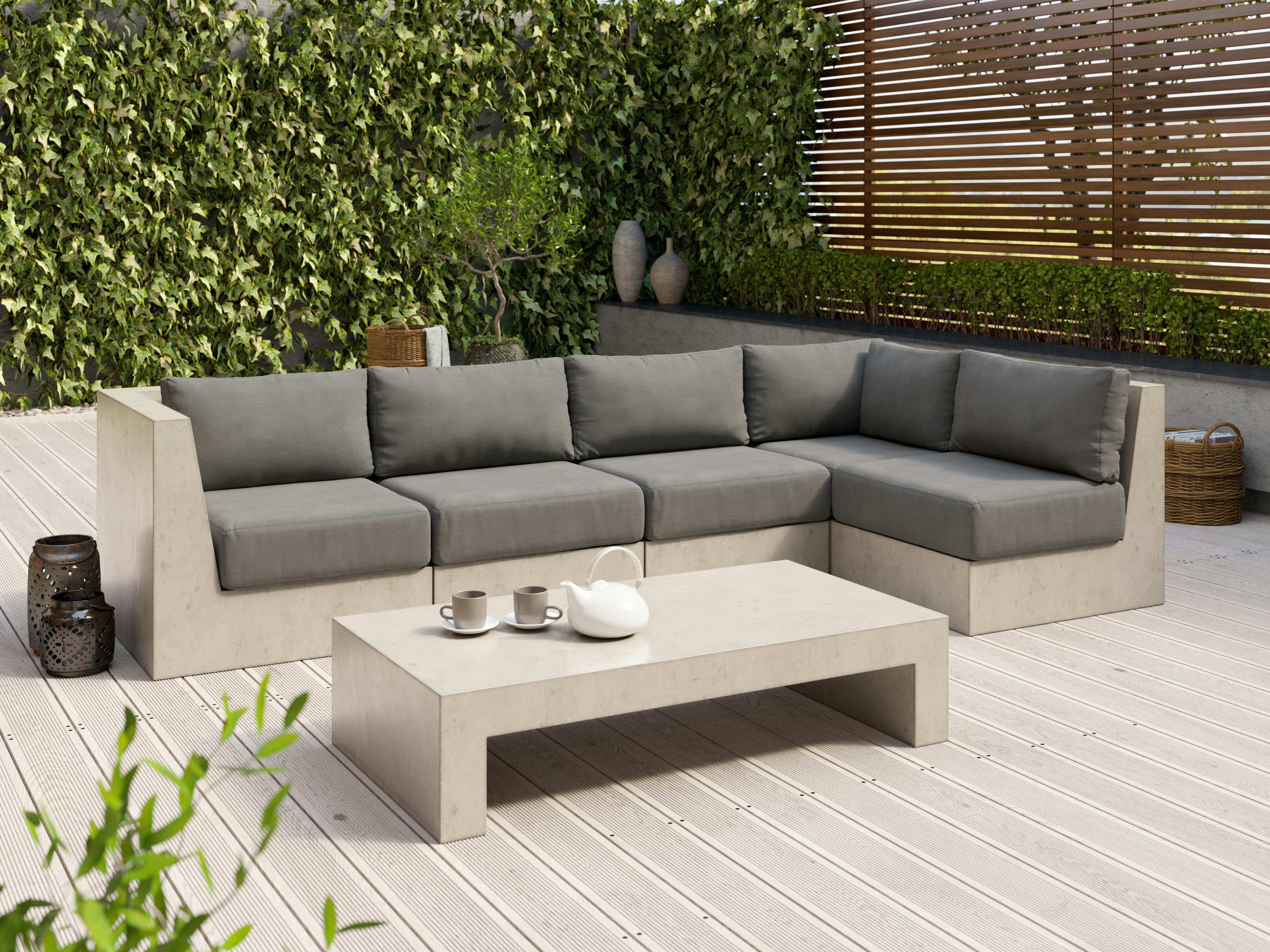
When it comes to furnishing your outdoor space—whether a cozy backyard patio, a sun-drenched deck, or a bustling poolside area—choosing furniture that stands up to Mother Nature’s whims is key. You want pieces that look great in summer’s heat, hold strong through fall’s rain, stay intact under winter’s frost, and bounce back for spring’s blooms. Enter concrete outdoor furniture—a versatile, durable, and stylish option that checks all the boxes for year-round use. But why exactly is concrete a top pick for every season? And once you invest in it, how do you keep it looking its best for years to come? Let’s break it down.
Concrete’s reputation as a “tough” material isn’t just hype—it’s built to withstand the harshest seasonal extremes while maintaining its functionality and beauty. Here’s why it outperforms wood, plastic, or even metal in every weather condition:
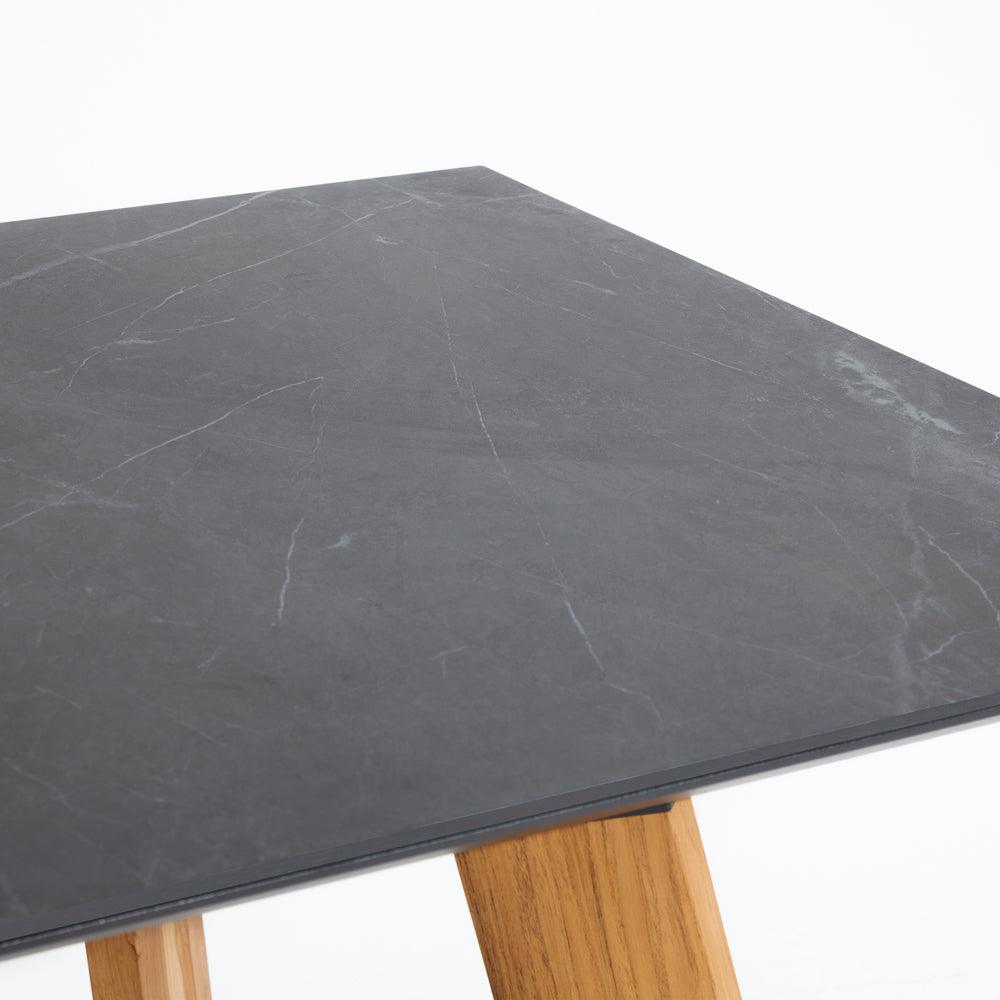
Summer means scorching sun, sudden thunderstorms, and lots of outdoor activity—and concrete handles it all. Unlike plastic furniture, which can warp or fade under intense UV rays, or metal, which gets hot enough to burn skin, concrete stays relatively cool to the touch (thanks to its low heat conductivity). It also resists water damage: a sudden summer downpour won’t cause it to rot (like wood) or rust (like uncoated metal). Whether you’re hosting a BBQ, setting down icy drinks, or letting kids play nearby, concrete tables won’t scratch easily or show stains from ketchup, soda, or sunscreen—just a quick wipe, and they’re good as new.
Fall brings damp, windy days and falling leaves, but concrete doesn’t flinch. Its solid, heavy structure means strong gusts won’t tip it over (unlike lightweight plastic or aluminum), and it won’t absorb moisture the way wood does—no more warping, swelling, or mold growth. Even if leaves, acorns, or dirt pile up on your concrete table, a quick sweep or hose-down is all it takes to keep it clean. No need to worry about water seeping in and causing long-term damage!
Winter is where many
outdoor furniture materials fail—but concrete thrives. Unlike wood, which can crack when water freezes inside its pores, or metal, which rusts when snow and salt eat away at its finish, properly sealed concrete is
frost-resistant. It can handle freezing temperatures, heavy snow loads, and even de-icing salts (in moderation) without cracking or discoloring. Just brush off snow regularly to prevent excess weight, and your concrete table will be ready to use as soon as the weather warms up.
Spring brings rain showers and new growth, but concrete furniture doesn’t need a major “revival” after winter. Unlike fabric cushions (which need to be air-dried) or wood (which needs sanding and staining), concrete just needs a quick clean to remove any leftover dirt or grime. Its non-porous surface (when sealed) also resists pollen and mildew, so you won’t have to scrub away stubborn stains before using it for spring brunches or garden parties.
While concrete is incredibly durable, a little maintenance goes a long way in keeping it looking new for decades. Follow these simple steps to protect your investment:
The most important step in protecting concrete furniture is sealing it. Unsealed concrete is porous, meaning it can absorb water, stains, and UV rays—leading to discoloration, cracking, or mold. Choose a high-quality, outdoor-rated concrete sealer (look for “acrylic” or “polyurethane” formulas, which offer UV protection and water resistance).
- When to seal: Apply the first coat as soon as you get your furniture (most new concrete pieces come unsealed). Re-seal every 1–2 years (or sooner if you notice water starting to soak into the surface instead of beading up).
- How to seal: Clean the surface first (see Tip 2), let it dry completely, then apply the sealer with a paintbrush or roller. Let it cure for 24–48 hours before using the furniture.
Concrete is tough, but harsh cleaners (like bleach, ammonia, or acidic products) can damage the sealer or etch the surface. Stick to mild, non-abrasive cleaning methods:
- For everyday dirt: Wipe with a damp cloth or sponge and mild dish soap.
- For tough stains (like oil or wine): Make a paste of baking soda and water, apply it to the stain, let it sit for 10–15 minutes, then scrub gently with a soft brush.
- For deep cleaning (seasonal): Use a pressure washer on a low setting (too much pressure can chip the sealer). Hold the nozzle at least 12 inches from the surface to avoid damage.
While concrete is scratch-resistant, it’s not scratch-proof—heavy or sharp objects (like metal serving trays, gardening tools, or pet claws) can leave marks.
- Use coasters or placemats under drinks, plates, or decorative items.
- Avoid dragging heavy objects across the surface (lift them instead).
- If you have pets, consider adding a soft mat under their favorite spot to prevent claw scratches.
Even sealed concrete benefits from extra protection during long periods of disuse (like winter) or extreme weather (like hurricanes or blizzards). Invest in a waterproof, breathable furniture cover (look for materials like polyester or vinyl with a mesh lining to prevent mold).
- Make sure the cover fits snugly but isn’t too tight—leave a little space for air circulation.
- Before covering, clean the furniture and let it dry completely to avoid trapping moisture.
While sealed concrete resists UV rays, prolonged exposure to direct sunlight can still cause slight fading over time—especially for colored concrete. If you have a shaded area (like under a pergola or awning), consider moving your furniture there during the hottest part of the day (10 AM–4 PM) to preserve its color. If moving isn’t an option, adding a patio umbrella can also help reduce sun damage.
Concrete outdoor furniture isn’t just a trend—it’s a practical, long-lasting choice that works in every season. From summer BBQs to winter snow days, it stays strong, looks great, and requires minimal maintenance—as long as you seal it, clean it gently, and protect it from scratches and extreme weather.
So if you’re tired of replacing flimsy outdoor furniture every few years, consider investing in concrete. It’s not just a piece of furniture—it’s a lifelong addition to your outdoor space.
Do you want to try concrete outdoor furniture?



-(1).jpg?w=3500&h=2625)



.jpeg?w=1600&h=1600)