Does Wicker Furniture Fade? Everything You Need to Know
Wicker furniture is a popular choice for patios, balconies, and gardens thanks to its lightweight feel, natural texture, and timeless appeal. However, one of the most common questions homeowners ask is: does wicker furniture fade over time? The short answer is yes—but how quickly it fades depends on the material, environment, and level of care.
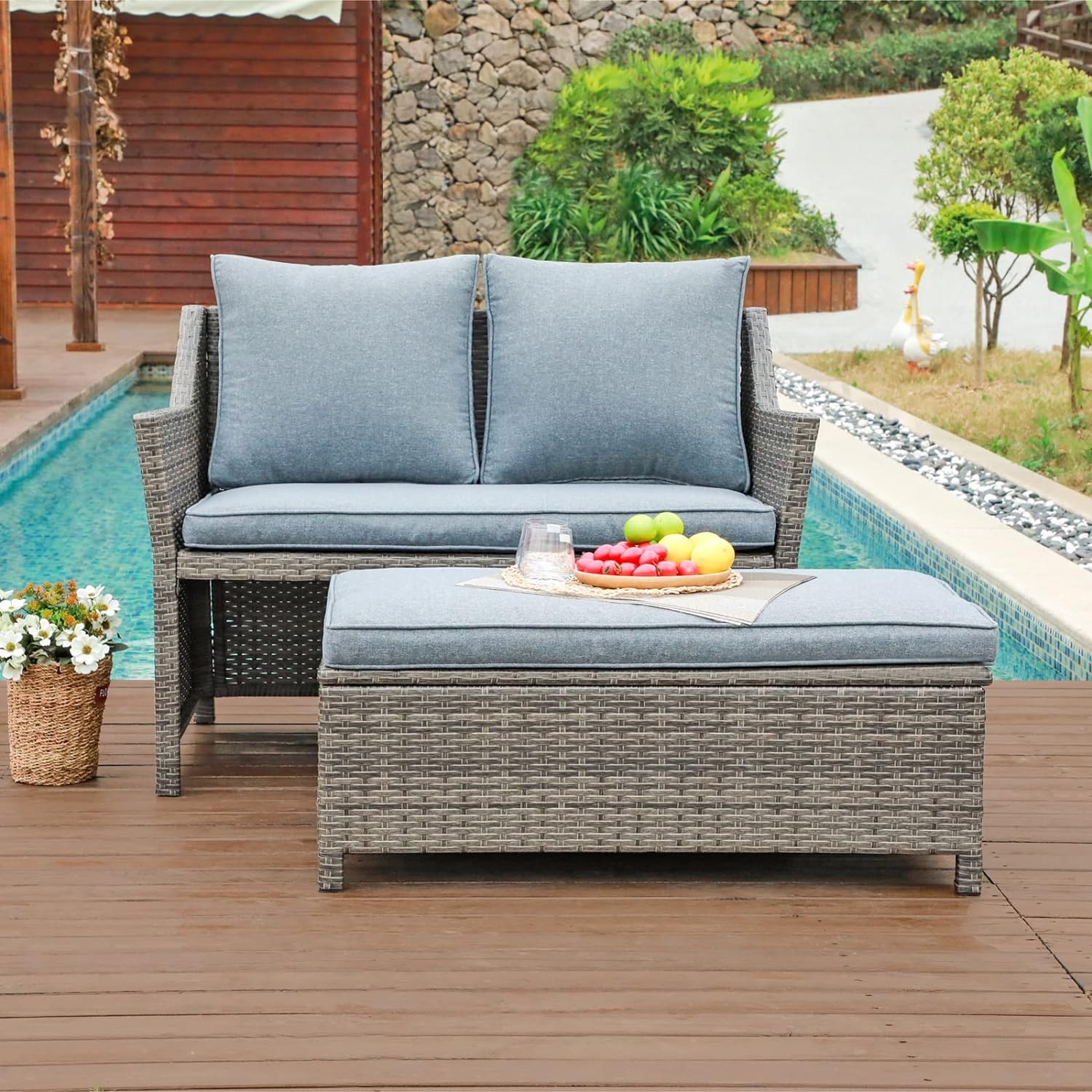
Why Does Wicker Furniture Fade?
Fading mainly occurs due to prolonged exposure to sunlight and weather elements. Here are the key factors:
1. UV Rays from the Sun
Ultraviolet (UV) rays break down pigments in wicker materials, especially in natural fibers. Over time, this causes the color to look dull, washed out, or uneven.
2. Moisture and Humidity
Rain, humidity, and temperature fluctuations can weaken wicker fibers. When combined with sunlight, moisture accelerates fading and aging.
3. Material Quality
Lower-quality wicker or poorly treated finishes fade much faster than premium, UV-resistant materials.
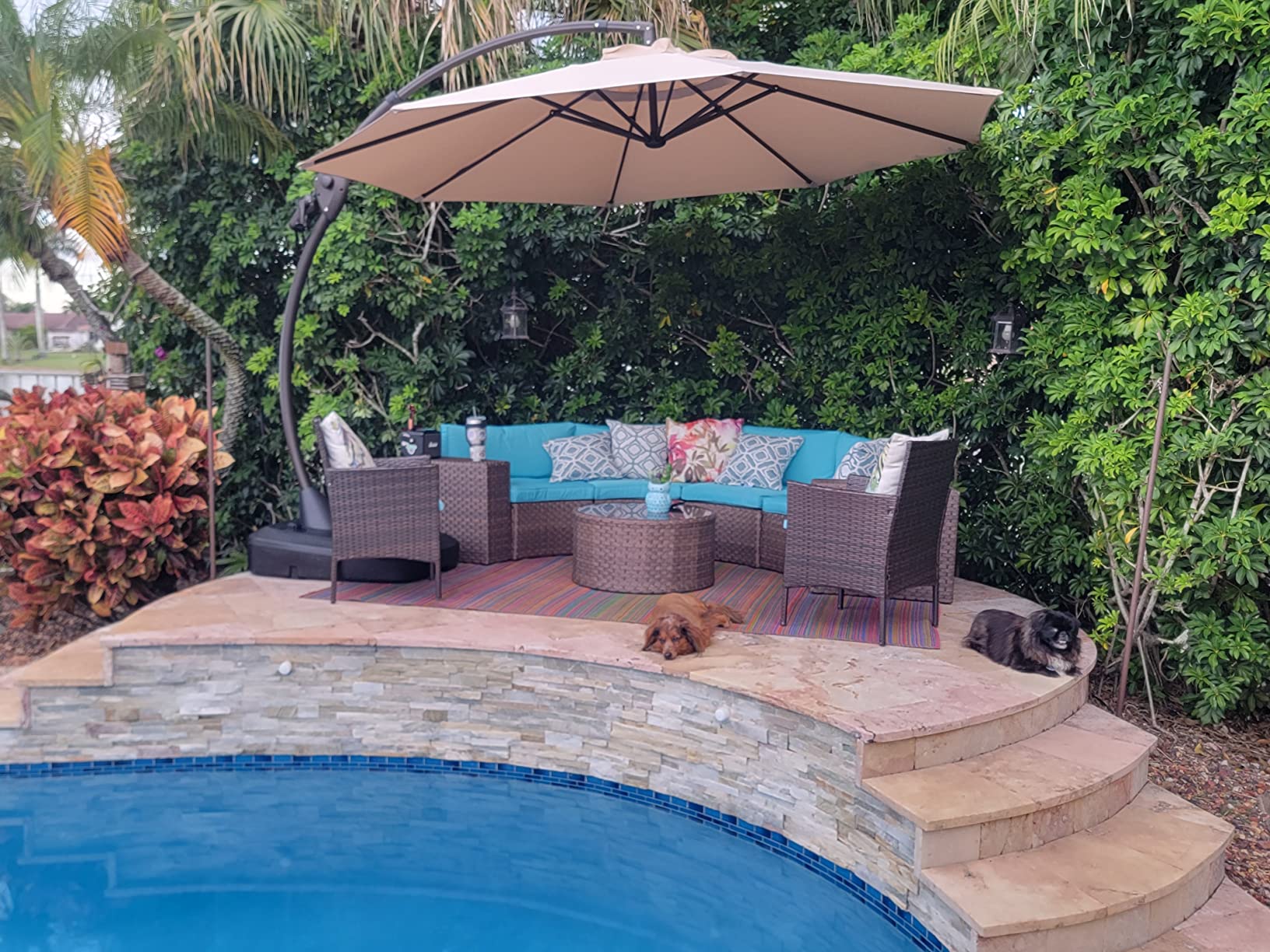
Natural Wicker vs. Synthetic Wicker: Which Fades More?
Natural Wicker (Rattan, Bamboo, Reed)
- Fades more easily
- Best suited for indoor or covered outdoor use
- Sensitive to sun, rain, and humidity
- Requires frequent maintenance
Natural wicker offers a beautiful, organic look, but without proper protection, it can fade and dry out relatively quickly outdoors.
Synthetic Wicker (PE Rattan / Resin Wicker)
- Much more fade-resistant
- Designed for outdoor environments
- Often treated with UV inhibitors
- Retains color longer under sun exposure
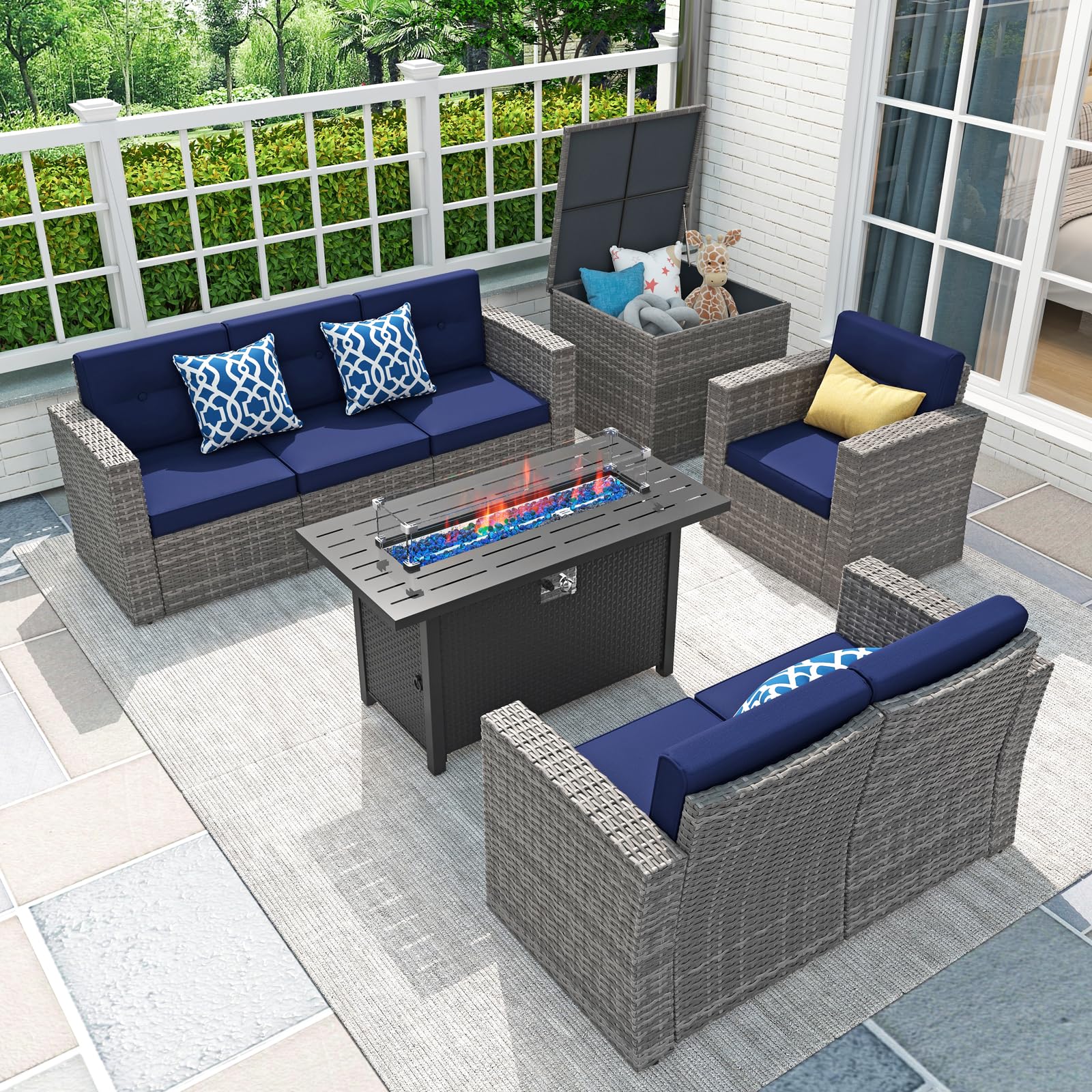
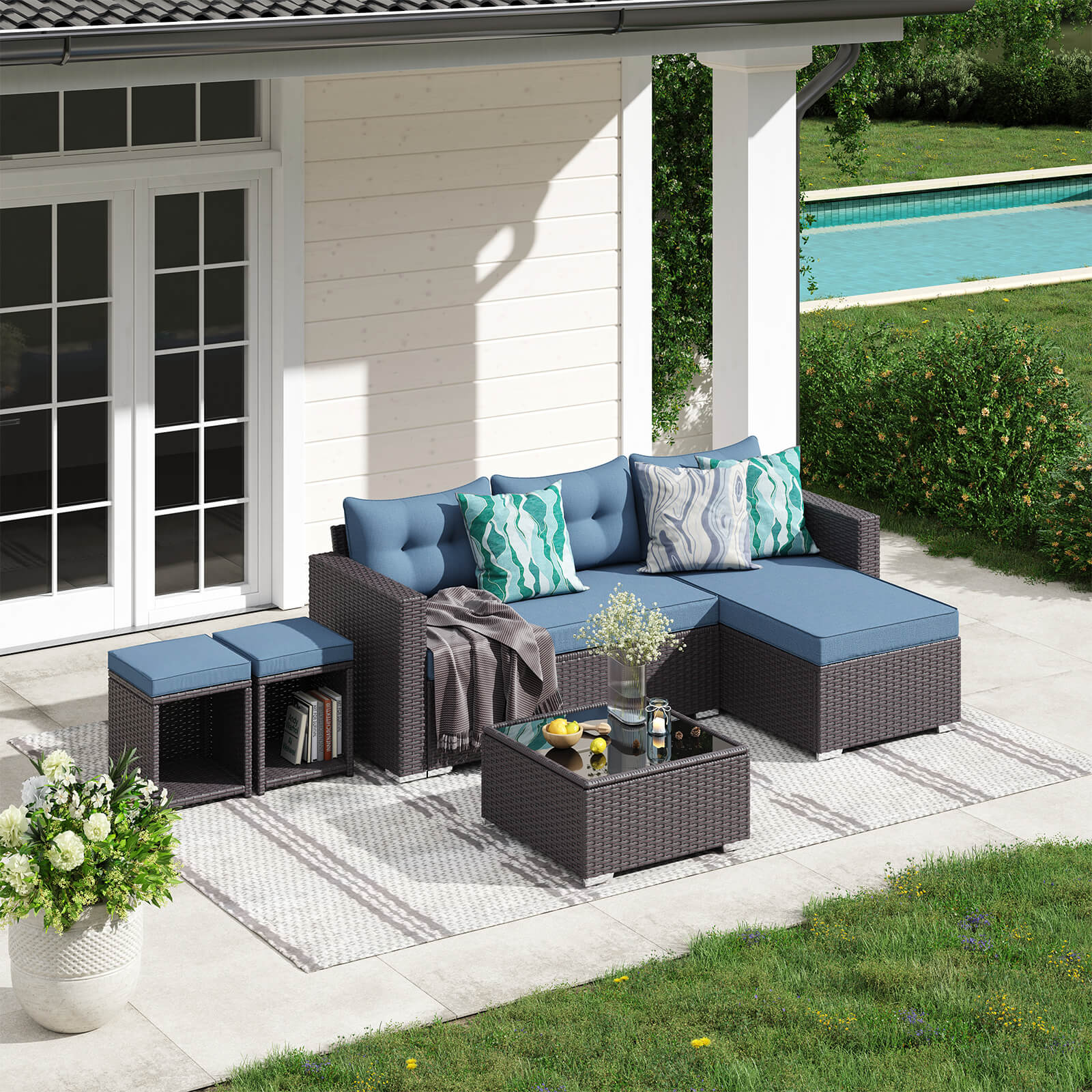
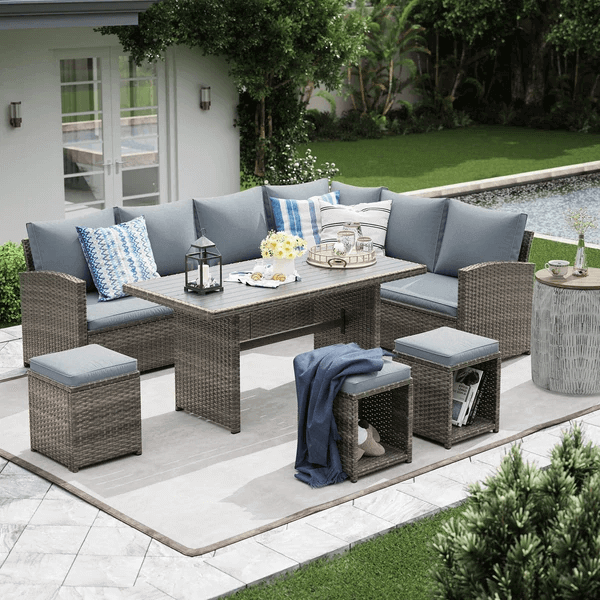
Modern outdoor furniture typically uses PE rattan, which mimics natural wicker while offering superior durability and color stability.
How Long Does It Take for Wicker Furniture to Fade?
There’s no fixed timeline, but generally:
- Natural wicker may show visible fading within one season if exposed to direct sunlight.
- High-quality synthetic wicker can maintain its color for several years with proper care.
Climate plays a big role—hot, sunny regions cause faster fading than mild or shaded environments.
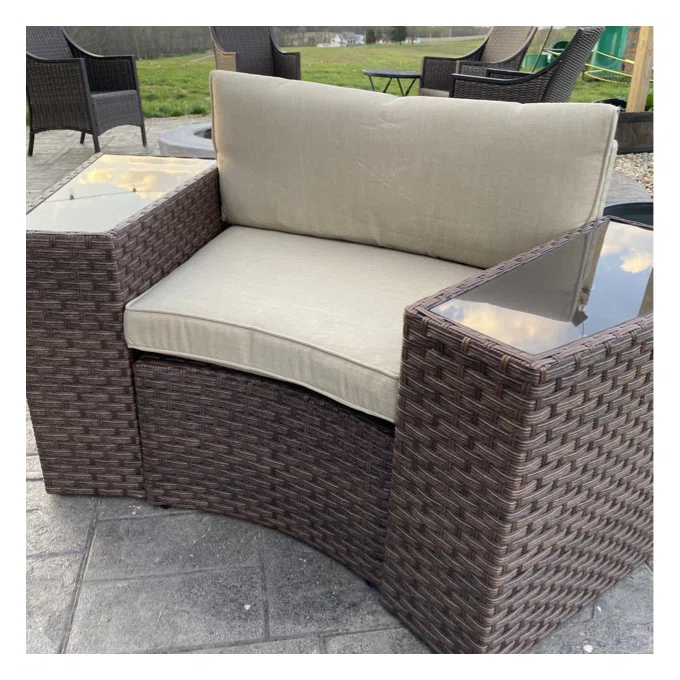
How to Prevent or Slow Down Fading?
While fading can’t be completely avoided, these tips can significantly extend the life and appearance of wicker furniture:
- Place furniture in shaded or partially covered areas
- Use outdoor furniture covers when not in use
- Clean regularly to remove dust and residue
- Apply UV-protectant sprays designed for outdoor furniture
- Store furniture indoors during extreme weather or off-seasons
Proper maintenance goes a long way in preserving both color and structural integrity.
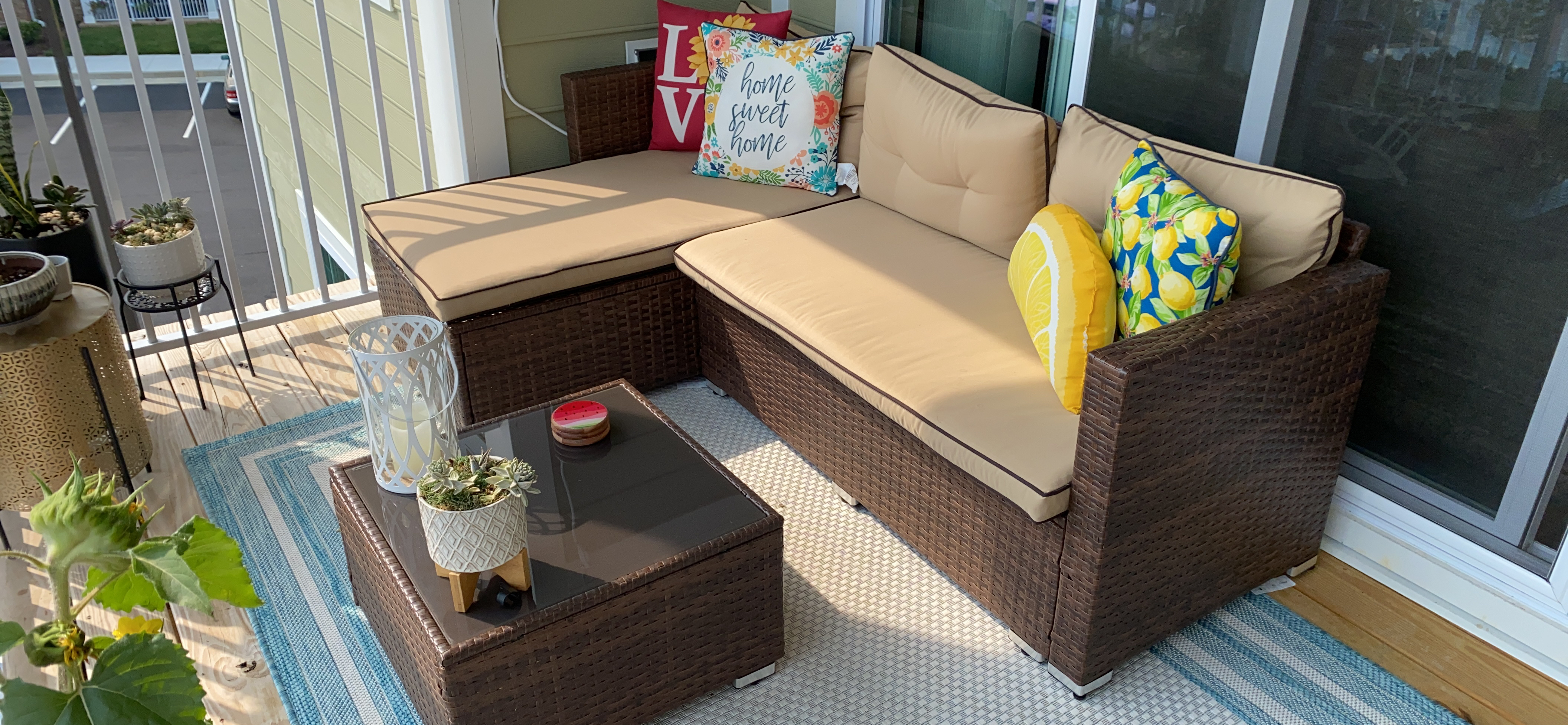
Is Fading a Deal Breaker?
Not necessarily. Slight fading is a natural part of outdoor use and often adds a soft, lived-in character. However, if long-term appearance and low maintenance are priorities, synthetic wicker furniture is the better choice.
High-quality outdoor wicker is engineered to handle sun exposure while maintaining its color, making it ideal for modern outdoor living.
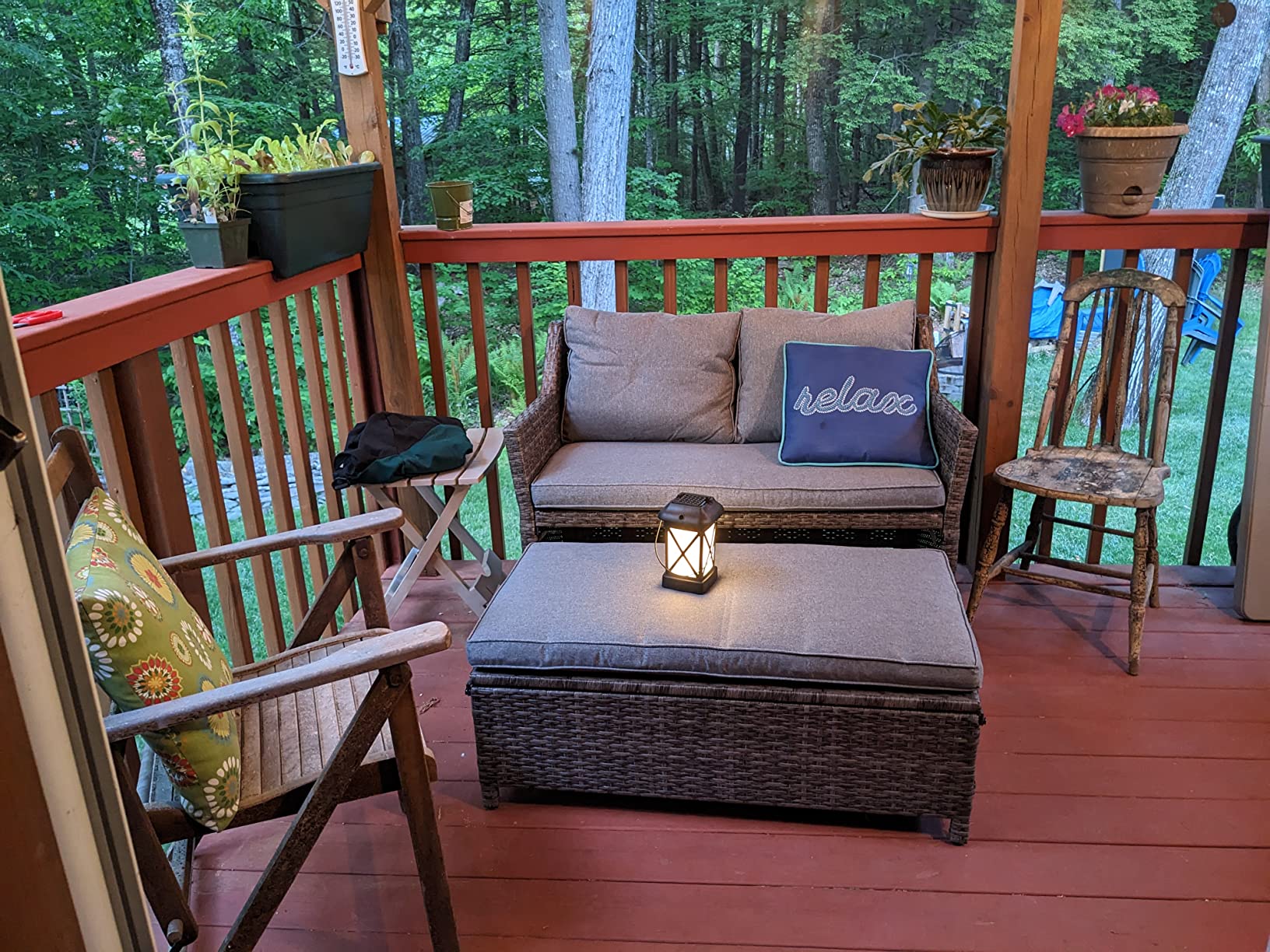
So, does wicker furniture fade? Yes—but choosing the right material makes all the difference. Natural wicker requires protection and care, while modern synthetic wicker is built to withstand outdoor conditions with minimal fading.
If you’re investing in outdoor furniture, opting for UV-resistant, well-constructed wicker ensures lasting beauty, comfort, and value for years to come.
Comment


-(1).jpg?w=3500&h=2625)



.jpeg?w=1600&h=1600)