When you’re working with limited square footage—whether it’s a studio apartment, tiny living room, or compact home office—every furniture choice carries weight. Two popular seating options often compete for the spotlight: the chaise lounge (or “chaise”) and the couch (sofa). Both offer comfort, but which one maximizes space, fits your lifestyle, and doesn’t make your room feel cramped?
1. Space Efficiency: How Much Room Do They Really Take?
The first rule of small-space furniture is: measure twice, buy once. Let’s compare the footprint of each option:
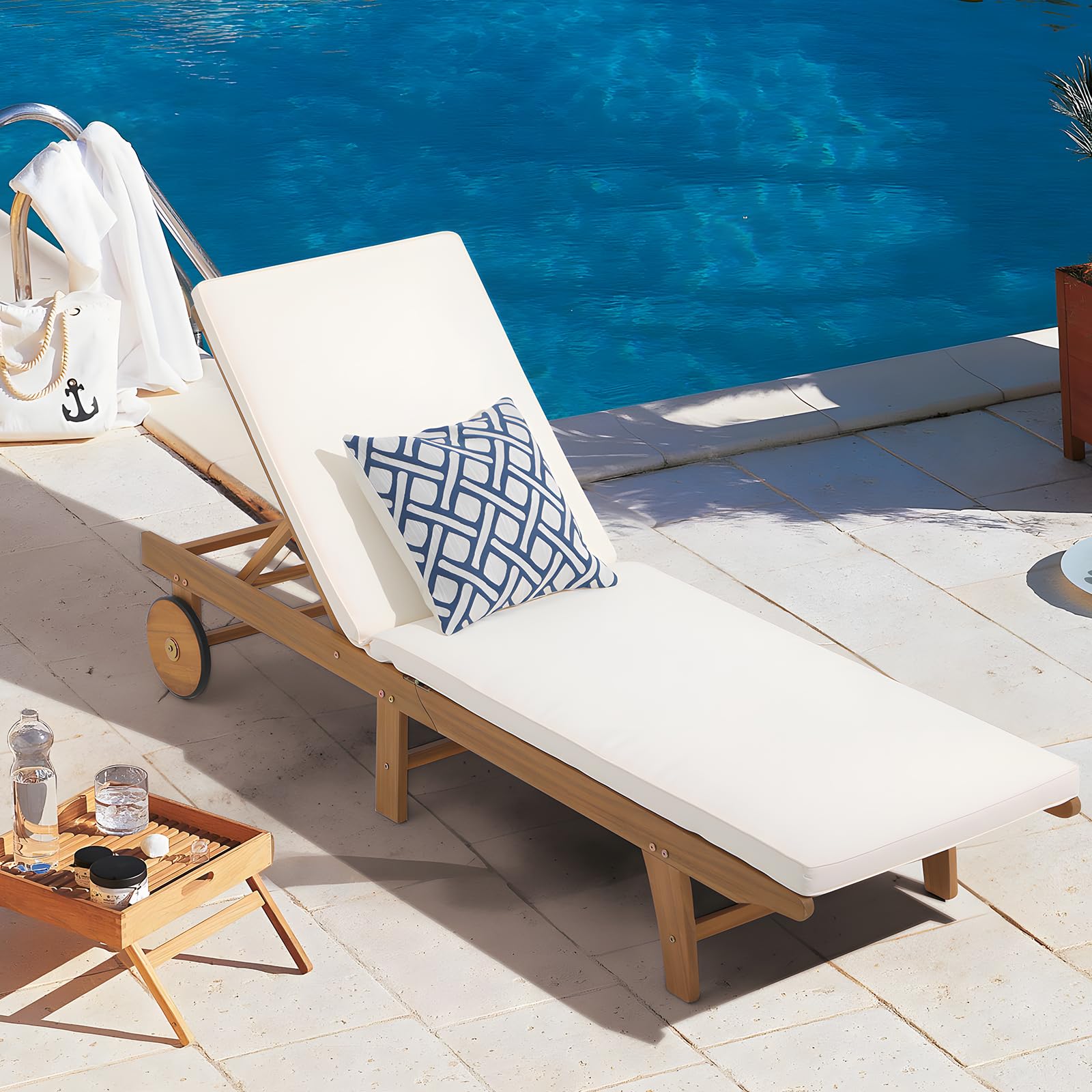
![1-2 Pcs Folding Lounge Chair Acacia Wood Chaise Lounge, with Wheels, 2 Colors]()
A standard chaise is typically 6–7 feet long and 2–3 feet wide, designed for single-person reclining. Its narrow profile (usually 24–30 inches wide) makes it ideal for tucking into corners, against walls, or even at the foot of a bed (in a studio or small bedroom). Unlike couches, chaises don’t require extra space for armrests on both sides, and their linear shape lets them fit into tight nooks without blocking walkways.
Pro Tip: Opt for a “compact chaise” (5–6 feet long) or a foldable model if your space is extra tiny. Some designs even have storage underneath—perfect for stashing blankets, pillows, or seasonal items.
Couches range from 6–8 feet long (for a small “loveseat” or “apartment-sized sofa”) to 9+ feet (full-sized). Even a compact couch is usually 30–36 inches wide, with armrests adding 4–6 inches on each end. While loveseats (2-seaters) save space compared to full sofas, they still require clear floor space around them for easy movement—something small rooms often lack.
Catch: Couches are designed for multiple people, so if you rarely host guests, their width can feel wasted. But if you need seating for 2–3 people regularly, a loveseat might be more practical than a chaise (which only fits one).
2. Functionality: What Do You Need It For?
Your lifestyle should dictate your choice. Ask yourself: How will I use this piece most often?
Chaise Lounge: The Ultimate Relaxation Spot
If you prioritize solo comfort—reading, napping, working on a laptop, or watching TV— a chaise is unbeatable. Its elongated design supports your entire body (back, legs, feet), making it far more relaxing than a couch for extended periods. Chaises also double as extra sleeping space for guests (though they’re best for one person, unlike a pull-out couch).
Ideal for: Studio apartments, home offices, or bedrooms where you want a multi-purpose “relaxation zone.” Chaises with removable cushions or washable fabrics are great for pet owners or families with kids.
Couch: Social Seating & Versatility
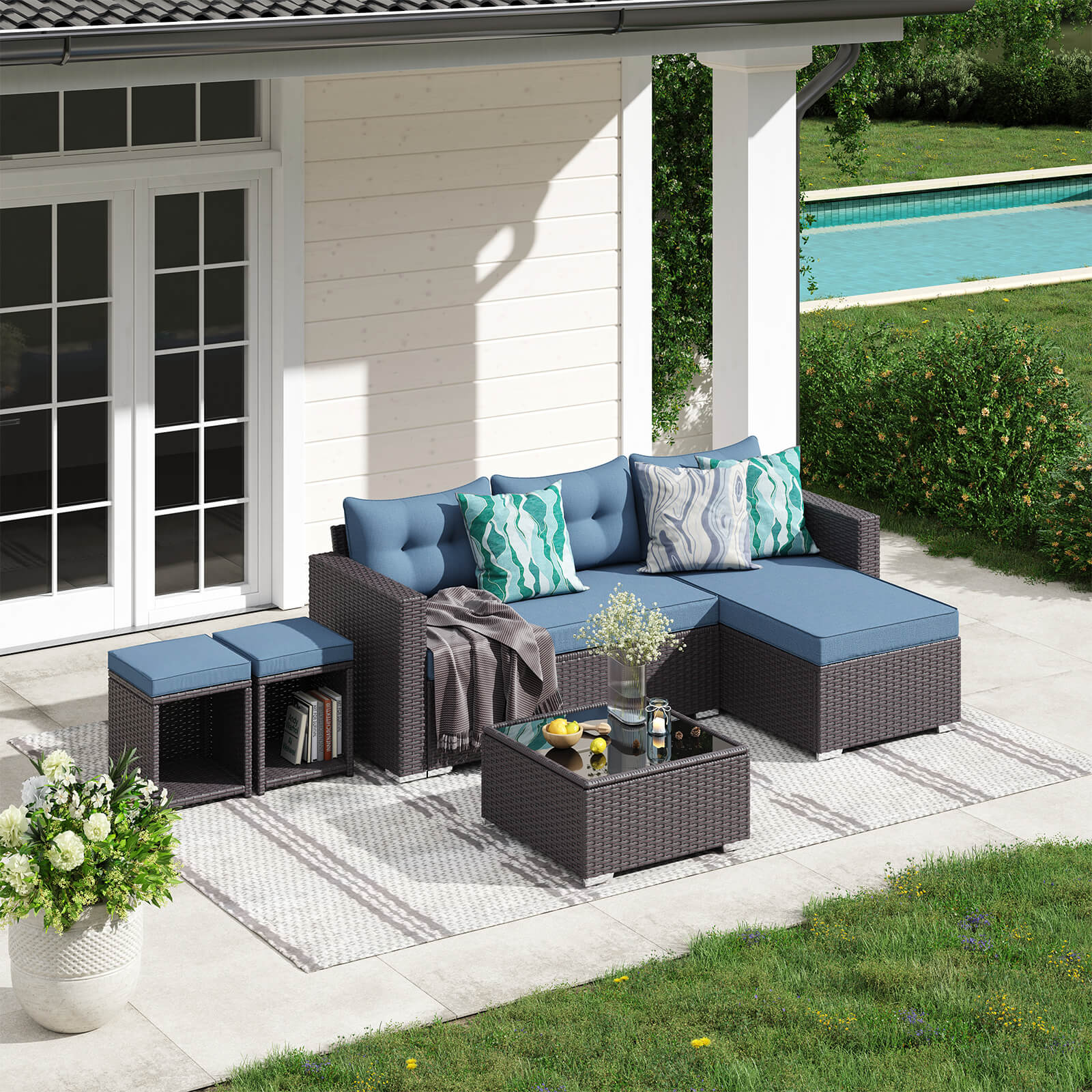
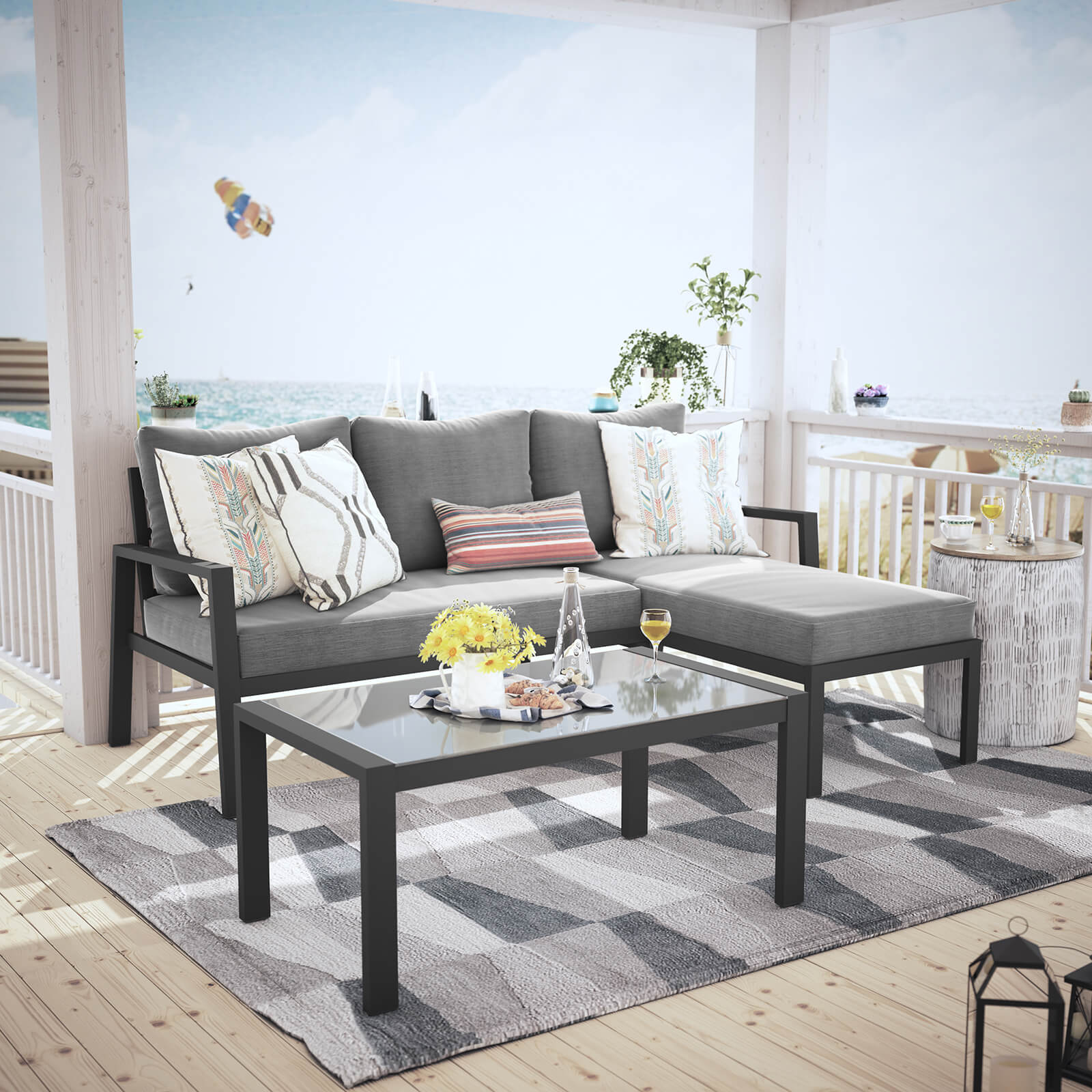
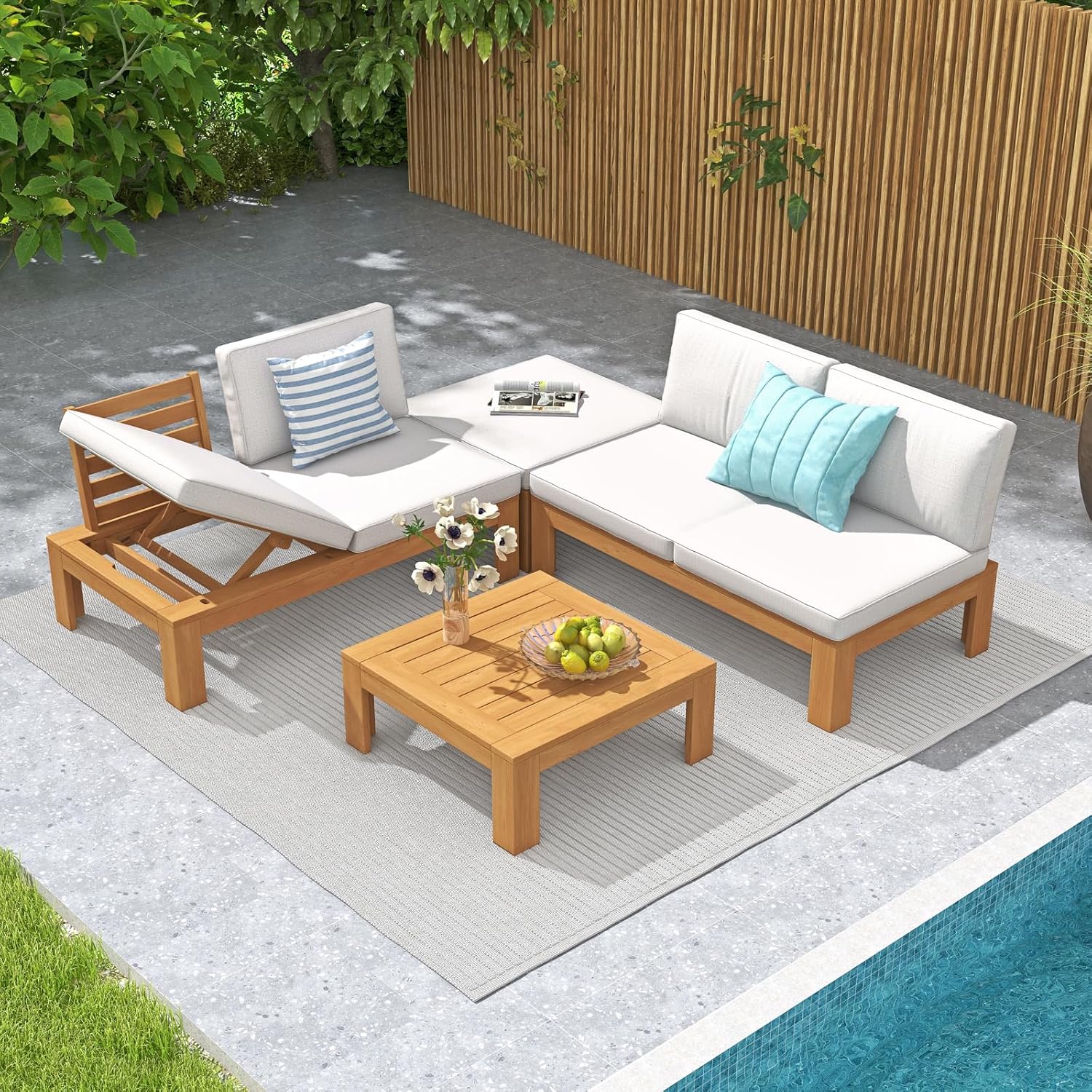
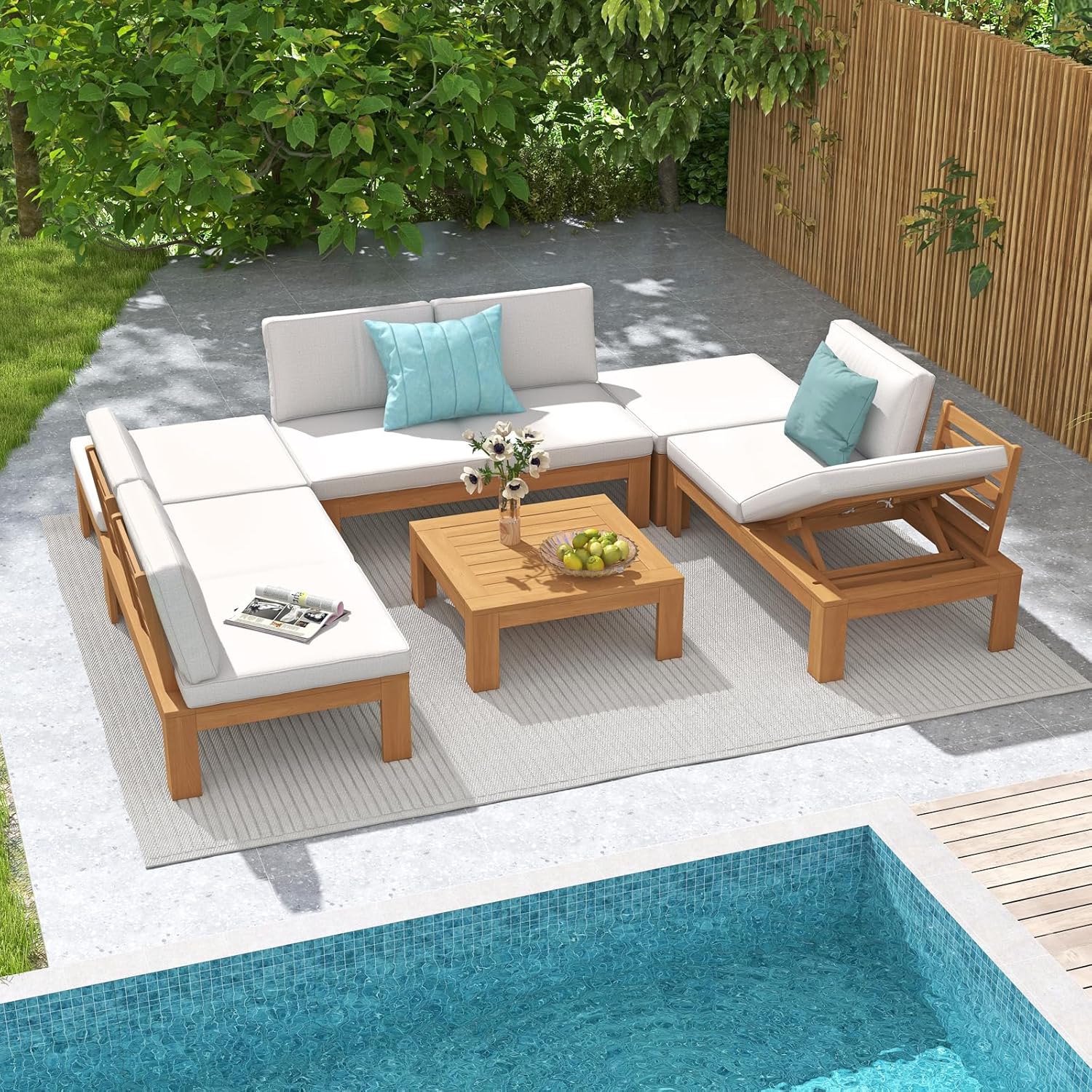
If you often have friends over, need a place for your family to gather, or want a central piece that anchors the room, a couch is the better choice. Even a small loveseat can seat 2–3 people, making it more social than a chaise. Couches also come in modular designs—sectional pieces that can be rearranged to fit your space, or sleeper sofas that fold out into a bed for guests.
Ideal for: Small living rooms, family homes, or spaces where you need both seating and sleeping options. Look for couches with slim arms, low profiles, or built-in storage (drawers underneath) to save space.
3. Style: Does It Fit Your Aesthetic?
Both chaises and couches come in a variety of styles, so you can find one that matches your decor—whether it’s modern, bohemian, minimalist, or traditional.
Chaise Lounge: Sleek & Space-Saving
Chaises have a streamlined, elegant look that works well in modern or contemporary spaces. Their narrow profile doesn’t overwhelm small rooms, and they can act as a statement piece (e.g., a velvet chaise in a neutral room adds a pop of color). Avoid bulky, overstuffed chaises—opt for slim frames and lightweight fabrics (linen, cotton) to keep the space feeling open.
Couch: Classic & Adaptable
Couches are more versatile in terms of style—you can find everything from mid-century modern loveseats to Scandinavian-style compact sofas. To save space, choose a couch with clean lines, no skirting (the fabric that hangs down to the floor), and raised legs (which creates the illusion of more space and makes cleaning easier). Neutral colors (gray, beige, white) make couches feel airy, while bold hues can add personality without cluttering the room.
4. Final Verdict: Which Should You Choose?
Let’s sum it up with a quick cheat sheet:
Choose a Chaise Lounge if:
- You live alone or rarely host guests.
- Solo relaxation (napping, reading, working) is your top priority.
- You need a piece that fits in corners or tight nooks.
- You want extra sleeping space for one guest.
Choose a Couch (or Loveseat) if:
- You often have friends/family over and need multi-person seating.
- You want a central piece that anchors your living space.
- You need a pull-out bed for guests (invest in a sleeper sofa).
- You prefer a more traditional, social seating arrangement.
If your space allows (e.g., a small living room with a corner), consider combining both! A compact loveseat against one wall and a narrow chaise in the corner gives you the best of both worlds: social seating for guests and a solo relaxation spot. Just make sure to leave at least 18–24 inches of walkway between pieces to avoid crowding.
There’s no “one-size-fits-all” answer—your choice depends on your space, lifestyle, and priorities. For solo comfort and space efficiency, a chaise lounge is a game-changer. For social seating and versatility, a couch (especially a loveseat or modular design) is the way to go. Whichever you choose, remember to prioritize measurements, functionality, and style to create a small space that feels cozy, not cramped.



-(1).jpg?w=3500&h=2625)



.jpeg?w=1600&h=1600)