How to Waterproof Wood Furniture for Outdoors: A Comprehensive Guide
There’s nothing quite like relaxing on a wooden patio set, enjoying the fresh air and sunshine. But outdoor wood furniture faces a constant battle against the elements—rain, humidity, UV rays, and even snow can turn your beautiful pieces into warped, rotted, or moldy eyesores. The good news? With the right waterproofing techniques, you can protect your investment and keep your outdoor wood furniture looking stunning for years to come. In this guide, we’ll walk you through everything you need to know to waterproof your outdoor wood furniture effectively.
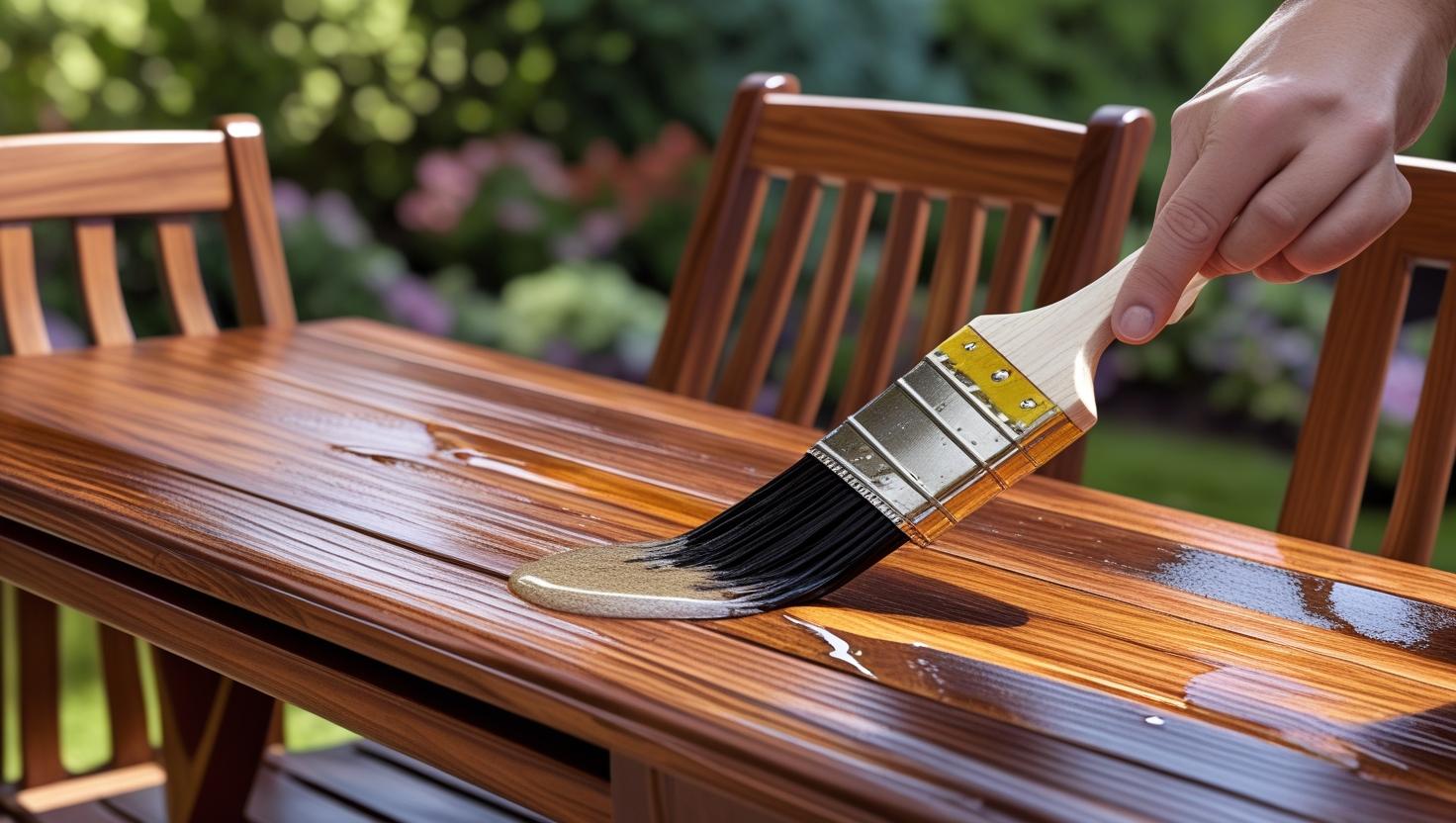
Why Waterproofing Outdoor Wood Furniture Matters?
Wood is a natural material that absorbs moisture like a sponge. When exposed to rain, dew, or high humidity, unprotected wood swells. As it dries out, it shrinks—this constant expansion and contraction leads to cracks, splits, and warping. Moisture also creates the perfect environment for mold, mildew, and wood-boring insects, which can cause irreversible damage. UV rays from the sun add another layer of harm, fading wood stains and breaking down the wood’s fibers over time. Waterproofing acts as a barrier, repelling moisture, blocking UV rays, and preserving the wood’s strength and appearance.
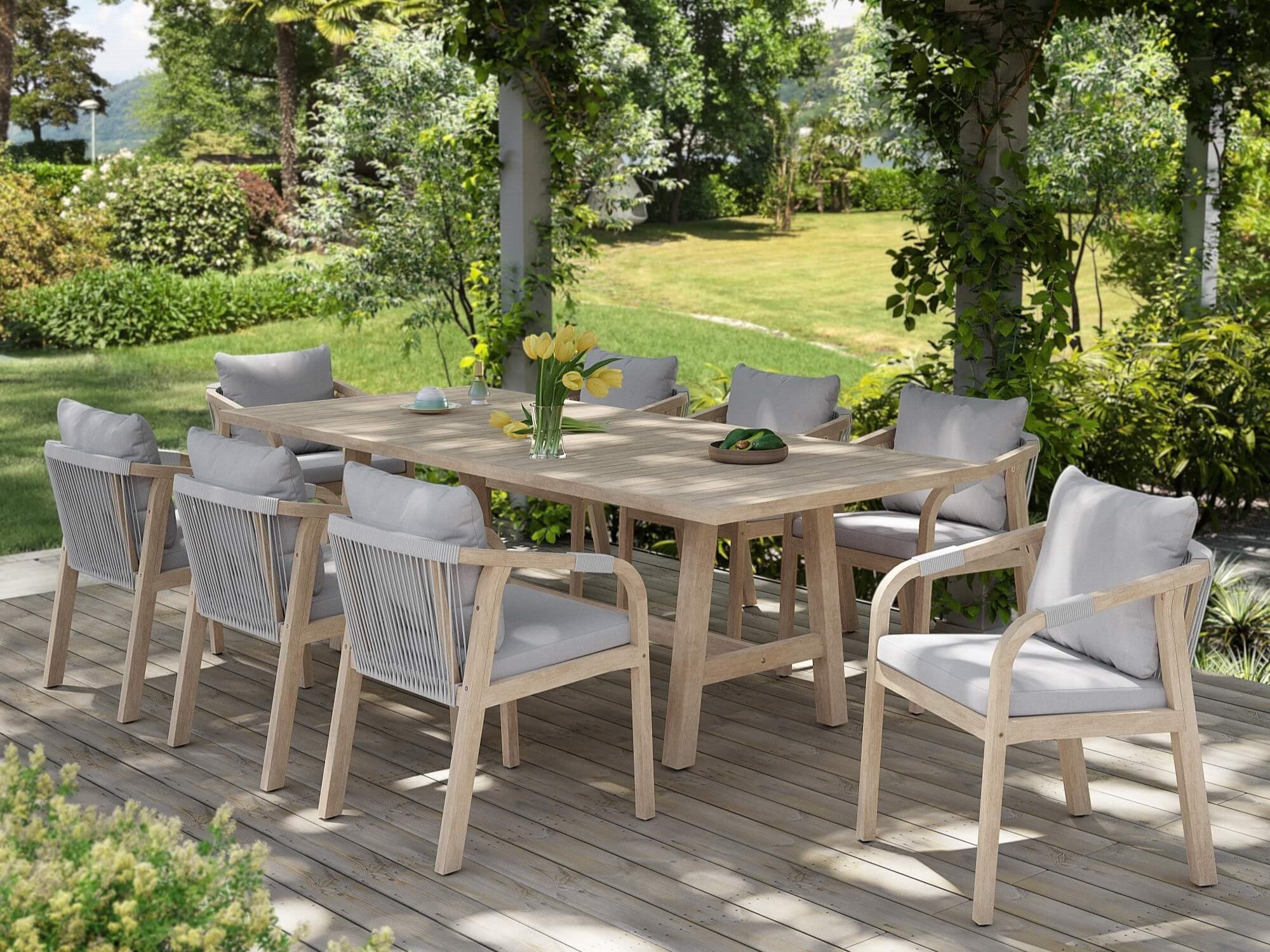
Step 1: Choose the Right Wood (If You’re Starting Fresh)
Not all wood is created equal when it comes to outdoor use. If you’re buying new furniture or building your own, opt for naturally rot-resistant woods. Teak, cedar, redwood, and ipe are excellent choices—they contain natural oils that help repel water and resist decay. However, even these woods benefit from additional waterproofing to extend their lifespan. If you have furniture made from pine, oak, or other non-resistant woods, waterproofing is non-negotiable to prevent rapid deterioration.
Step 2: Prepare the Furniture for Waterproofing
Before you apply any waterproofing product, proper preparation is key. Start by cleaning the furniture thoroughly to remove dirt, grime, mold, mildew, and any old finishes that might be peeling or flaking.
- Cleaning: Mix a solution of mild dish soap and warm water, and scrub the wood with a soft-bristled brush. For tough mold or mildew, use a mixture of equal parts water and white vinegar, or a commercial wood cleaner designed for outdoor use. Avoid harsh chemicals like bleach, as they can damage the wood fibers.
- Sanding: After cleaning and letting the furniture dry completely (this may take 24–48 hours, depending on the weather), sand the surface. Sanding removes any remaining old finish, smooths rough spots, and opens up the wood pores, allowing the waterproofing product to penetrate better. Use medium-grit sandpaper (80–120 grit) for the initial sanding, then follow up with fine-grit sandpaper (150–220 grit) for a smooth finish. Wipe away all sanding dust with a tack cloth or a damp microfiber cloth.
Step 3: Select the Best Waterproofing Product
There are several types of waterproofing products available, each with its own pros and cons. The right choice depends on your wood type, desired finish, and how much maintenance you’re willing to do.
- Oil-Based Sealers: Products like teak oil, linseed oil (boiled, not raw), and tung oil penetrate deep into the wood, enhancing its natural grain while providing water resistance. They give the wood a warm, matte to satin finish. However, they need to be reapplied every 6–12 months, especially in high-moisture areas.
- Water-Based Sealers: These are easy to clean up with water and dry quickly. They offer good UV protection and come in clear or tinted options. Water-based sealers are less likely to yellow over time than oil-based ones, making them a great choice for light-colored woods. They typically last 1–2 years before needing reapplication.
- Polyurethane: A durable option that forms a hard, protective film on the wood’s surface. Polyurethane is available in oil-based (adds warmth, may yellow) and water-based (clear, low odor) versions. It provides excellent water and scratch resistance but can be less breathable, so it’s important to ensure the wood is completely dry before application. Reapply every 2–3 years.
- Exterior Wood Stains with Sealers: These combine color with waterproofing protection. Stains come in transparent (showing the wood grain), semi-transparent, and solid (opaque) options. They offer UV protection and can last 2–5 years, depending on the type and exposure to the elements.
- Wax-Based Sealers: These provide a natural, low-sheen finish and are easy to apply. However, they’re less durable than other options and need frequent reapplication (every 3–6 months).
.jpeg?w=2000&h=2000&q=80)
Step 4: Apply the Waterproofing Product
Follow these steps for a smooth, effective application:
- Check the Weather: Choose a day with mild temperatures (between 50–85°F / 10–29°C) and low humidity. Avoid applying in direct sunlight, as this can cause the product to dry too quickly and crack.
- Stir, Don’t Shake: Most waterproofing products need to be stirred gently to mix the ingredients. Shaking can create bubbles, which will show up in the finish.
- Apply Thin Coats: Use a high-quality brush, roller, or sprayer (check the product instructions for recommended tools). Apply a thin, even coat, following the direction of the wood grain. Thick coats are more likely to bubble, crack, or take too long to dry.
- Let It Dry: Allow the first coat to dry completely according to the product’s instructions—this can range from 2–24 hours.
- Sand Between Coats (If Needed): For some products, like polyurethane, lightly sand the surface with fine-grit sandpaper after the first coat dries to remove any imperfections. Wipe away the dust before applying the second coat.
- Apply Additional Coats: Most products require 2–3 coats for optimal protection. Follow the same application and drying process for each coat.
.jpeg?w=2000&h=2000&q=80)
Step 5: Maintain Your Waterproofed Furniture
Waterproofing isn’t a one-and-done task. Regular maintenance will keep your furniture protected and looking its best:
- Clean Regularly: Wipe down your furniture with a damp cloth or mild soap solution every few weeks to remove dirt and debris that can trap moisture.
- Inspect Annually: Check for signs of wear, such as peeling, cracking, or water no longer beading on the surface. If you notice these issues, it’s time to clean, sand, and reapply the waterproofing product.
- Cover or Store in Extreme Weather: During heavy rain, snow, or long periods of non-use, cover your furniture with a breathable, waterproof cover. If possible, store smaller pieces indoors during harsh winters.
- Avoid Standing Water: Don’t let puddles sit on your furniture—wipe up spills or rainwater promptly to prevent moisture from seeping into the wood.
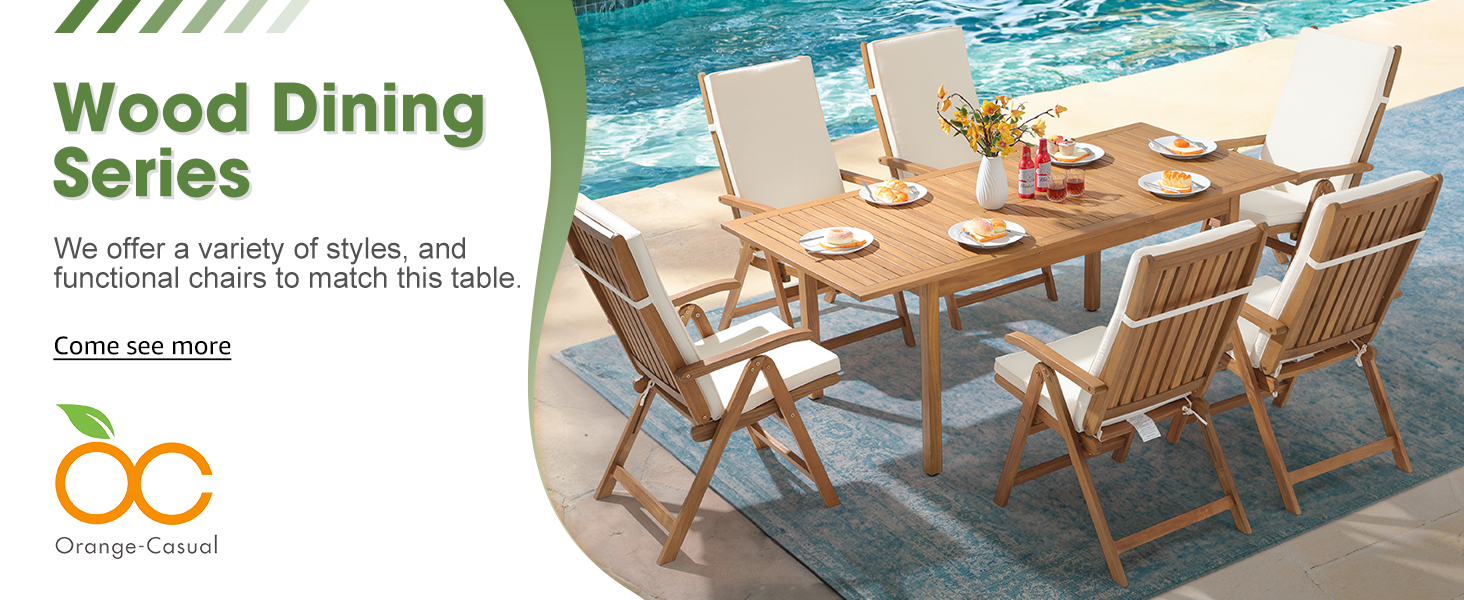
Waterproofing your outdoor wood furniture is an investment of time and effort that pays off in the long run. By choosing the right products, preparing the wood properly, and following up with regular maintenance, you can enjoy your outdoor oasis without worrying about weather damage. With a little care, your wooden patio set, benches, and tables will remain beautiful and functional for years to come, providing countless moments of relaxation and enjoyment under the open sky.
Comment


-(1).jpg?w=3500&h=2625)



.jpeg?w=1600&h=1600)